Disposable vape quality control for an incoming batch
By the Empty Vapes trade desk. Published 2026-08-21, last updated 2026-08-21. How we write these.
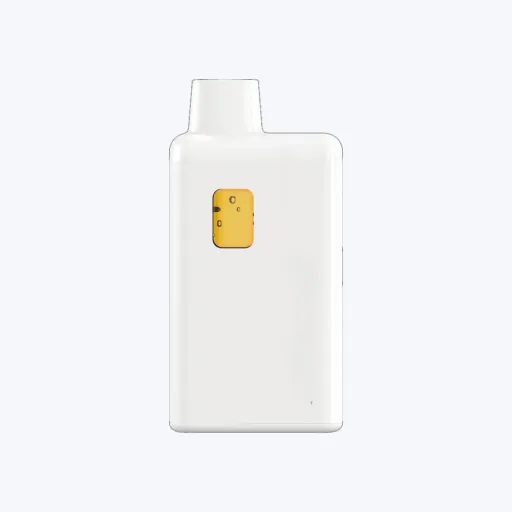
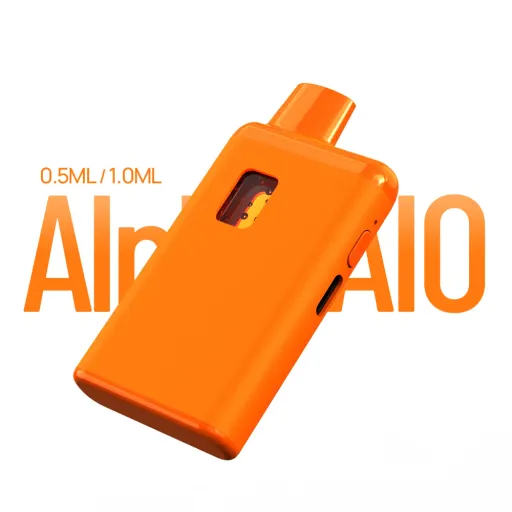
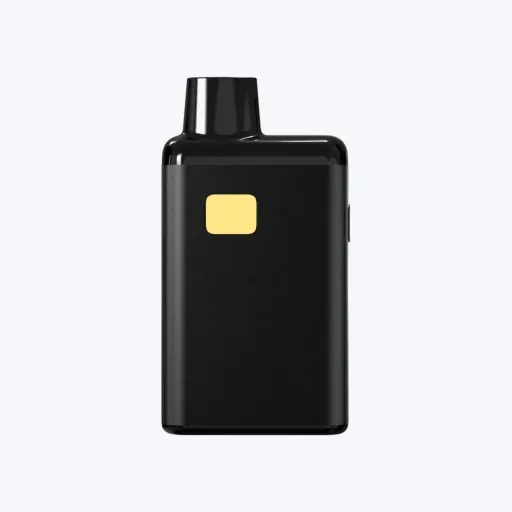
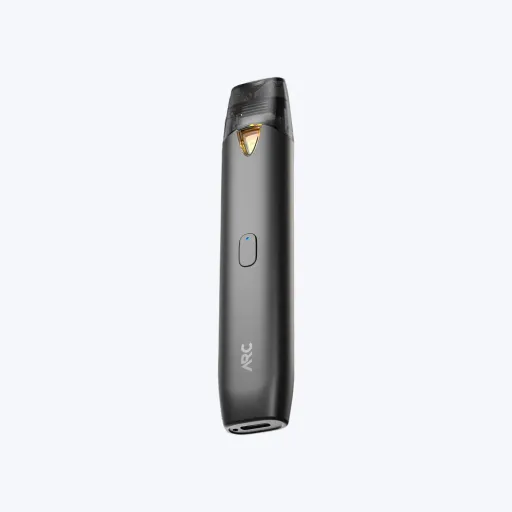
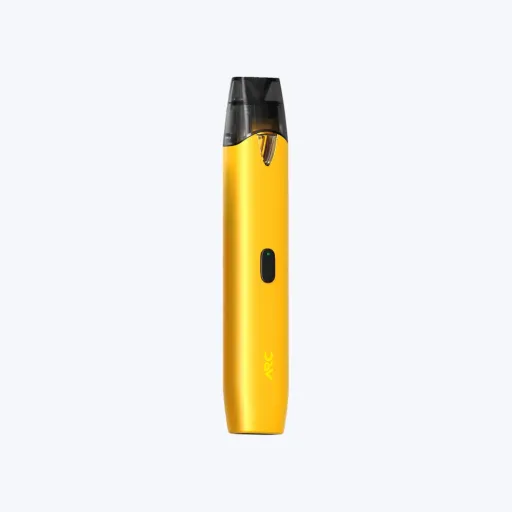
An empty disposable arrives as a finished electronic device with a tank attached. That changes what an incoming inspection covers, and what happens to the units that fail.
What differs from cartridge QC
A cartridge is a passive part with a coil in it. A disposable is a device: a cell, a control board, usually a pressure sensor, sometimes a screen or a charge port. Four consequences follow.
Half the inspection is electrical. Activation, cut-off, indicator behaviour and charging cannot be judged by looking at a unit.
A failed unit is scrap, not a part. The battery is not separable, so a rejection is a whole-device write-off and a return is a battery shipment governed by UN 38.3.
The sensor is the least visible failure. A draw sensor that needs too hard a pull, or triggers on its own in a pocket, passes every visual check.
There is one shot at filling. A disposable cannot usually be reworked, so a cure fault found after capping costs the device and the oil.
An inspection measures against a specification, and most disputes about a batch are disputes about what was agreed. Settle five things in writing before the order ships: a dimensioned drawing with tolerances; the coil resistance and its tolerance band; the battery capacity and charge port type; the arrival state of charge; and a defect classification separating critical, major and cosmetic faults. Add the sampling plan and the acceptable quality limit. The spec sheet guide lists these fields.
Drawing the sample
ISO 2859-1 is the usual reference. It takes the lot size, an inspection level and an acceptable quality limit and returns a sample size with accept and reject numbers. The value of a published plan over a round number is that the outcome is arguable in one direction. Draw across the production sequence rather than from one carton, because devices packed together were assembled minutes apart and hide the drift that appears as a machine warms. The sampling guide covers pre-production samples.
The inspection procedure
Check the paperwork before opening anything. Match the delivery note to the purchase order for model, capacity, coil resistance, battery capacity, port type and quantity, and confirm a batch code and the battery transport documents are present. A batch without a traceable code cannot be quarantined selectively later.
Photograph the shipment as received. Pallet, outer cartons, labels and any damage, before anything is opened. This is the only evidence that exists if you need to raise a transit claim later.
Draw the sample across the run. Use a published sampling plan such as ISO 2859-1 rather than a round number, and take units from the beginning, middle and end of the batch. Units packed together were made minutes apart and will not show drift.
Verify the count and the transport protection. Count several cartons in full rather than trusting the case quantity on the label, and check that devices are restrained so terminals and charge ports cannot rub in transit.
Inspect visually against a written defect list. Write the list before the batch arrives. Cover housing scratches and seam gaps, print and etch quality, the charge port cavity, the mouthpiece, the fill port seal, and debris inside the tank.
Measure against the drawing. Overall length, width and depth with calipers, plus the mouthpiece and the port opening. Without a dimensioned drawing with tolerances there is nothing to reject against.
Function test the device dry. Before any oil goes in, confirm activation, the LED or display behaviour, preheat, any voltage or mode selection and the puff counter if one is fitted. On a dual chamber device test both chambers and the selector.
Check the auto-draw sensor by hand. Draw gently and then firmly on an unfilled unit. The device should trigger on a light pull and cut off promptly when the pull stops. A sensor that needs a hard pull and one that self-triggers are both faults.
Test the charge port. Fit a cable, check it retains without wobble, charge a sample to full and confirm the indicator behaves as specified. Set aside any unit that becomes uncomfortably warm to hold.
Fill, cure and leak test a sub-sample with your own oil. Cure before capping, then hold units upright, inverted and horizontal with a heat cycle between inspections. Look at 24 hours and again at 72. This is the check that predicts returns.
Record the results and decide. Write down the batch code, the sample size, every measured value and the accept or reject outcome, and keep it with the compliance file. A rejection you cannot evidence is a negotiation rather than a claim.
One note on step nine. Do not turn a warm-unit observation into a temperature limit you invented. Quarantine the sample and put the question to the supplier against its safety certification.
Accept, reject or sort
The accept and reject numbers come from the sampling plan, so the decision is mechanical. What happens next is not, and it is worth agreeing in advance. A batch that fails on cosmetics can usually be sorted and part-accepted, at a labour cost you should quantify first. A batch that fails on sensor behaviour, coil resistance spread or charging cannot, because the fault sits in the process rather than in individual units. Leak failures are frequently an interaction between the hardware, the oil and the fill temperature, so test before you attribute. See disposable filling problems. And do not ship rejected devices back without checking how they travel: a return of lithium cells is a battery shipment.
What to file
Keep the inspection record with the compliance file for the batch, not in a separate quality folder, because a market surveillance query arrives about a product, not a process. Hold the supplier declarations alongside your own results. CE, RoHS, REACH and EU Battery Regulation documentation is available on request and WEEE support is available; the registrations that follow from placing the finished product on the market sit with you. See compliance and supplier documentation.
Stock empty disposables start from around 500 units with no container minimum, and branded runs take about 15 days. Run this procedure on a small first batch: a fault found at 500 units is a decision, the same fault at scale is an inventory problem.
FAQ
How is disposable vape quality control different from cartridge QC?
A disposable contains a cell, a control board and usually a pressure sensor, so half the inspection is electrical and cannot be done by looking. It also cannot be separated from its battery, which means a faulty unit is scrapped as a whole device and shipped back under battery transport rules rather than as a loose part.
Should I test devices before or after filling?
Both, on different samples. Test dry first, because activation, the sensor, the display and the charge port can all be verified with no oil at risk and no unit wasted. Then fill a smaller sub-sample and age it, because leaks, wicking faults and cure problems only appear once oil is present.
What state of charge should devices arrive in?
Ask the supplier rather than assuming, and record the answer. Cells are shipped at a partial charge for transport reasons, so a device showing an empty indicator on arrival is not necessarily faulty. What matters is that the arrival state is stated in advance and matches what you find.
Trade guidance for B2B buyers, not legal advice. We sell empty hardware only; you are responsible for the fill and for finished-product compliance in your market.
Source the hardware behind this guide
Browse the range in the shop, full specs, trade pricing after a free account, and CE and compliance docs on request.