HardwareFor this job
By C. Chai, Empty Vapes Published 2026-08-20, last updated 2026-08-21. How we write these.
Every vape battery, and every disposable with a cell in it, moves under lithium battery transport rules. The paperwork follows the cell, and it is easier to request before the order than to chase after it.
UN 38.3 is sub-section 38.3 of the United Nations Manual of Tests and Criteria. It sets out a series of tests that lithium cells and batteries are expected to pass before they are offered for transport. The series covers the conditions a cell meets in a supply chain rather than in use: reduced pressure at altitude, temperature cycling, vibration, mechanical shock, external short circuit, impact or crush, overcharge and forced discharge.
It is a transport standard. It says something about how a cell behaves in a container or an aircraft hold. It says nothing about whether the finished product may be sold, labelled or registered in a given market, and treating it as a general compliance certificate is the most common mistake in this area.
The test summary is the document you actually receive. It is a record rather than a certificate, and under the UN Model Regulations manufacturers and distributors of cells and batteries are expected to make it available. Expect it to identify the manufacturer and contact details, describe the cell or battery including mass and watt-hour rating, name the testing laboratory, reference the test report, give the date, and cite the edition of the Manual of Tests and Criteria the testing was carried out against.
Two details cause more trouble than the rest. The summary belongs to a specific cell or battery model, so a summary for a similar cell from the same factory does not cover yours. And the edition reference matters, because the tests have been revised over time and a very old summary may not reflect the current edition. Check the model line and the edition line before you file it.
Beyond the test summary, a shipment normally moves with a commercial invoice and packing list, a safety data sheet or equivalent product safety document, and whatever transport documentation the mode requires. Lithium ion cells shipped on their own and cells shipped inside or packed with equipment fall under different UN entries, and packing, marking, labelling and state of charge requirements differ between them and between transport modes.
The rules for air, road and sea are set by different instruments and are revised regularly. Carriers also apply their own conditions on top of the regulatory baseline, and those can be stricter. Rather than working from a figure found online, put the packing configuration in front of your freight forwarder and have them confirm the current requirement for your route and mode in writing. That is the conservative approach and it is also the fast one.
Getting a pallet legally onto a plane is a separate exercise from putting the product legally on sale. Placing a battery powered product on the EU market brings its own obligations, including duties under the EU Battery Regulation, WEEE registration for electrical equipment, and product level conformity such as CE marking, RoHS and REACH. None of those are satisfied by a transport test summary.
Which of those duties sit with you depends on whether you import, rebrand or distribute. Read compliance for the split, and confirm your own position with an advisor for each market. Format changes the exposure too: a device with a cell in every unit carries this paperwork on every shipment, which is one of the reasons to think about format early, as set out in disposables, pods or cartridges.
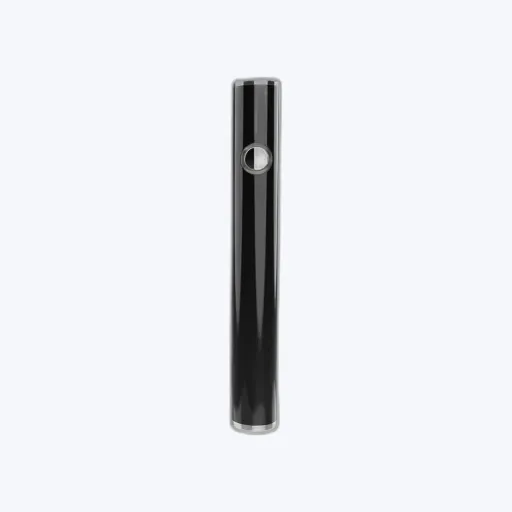
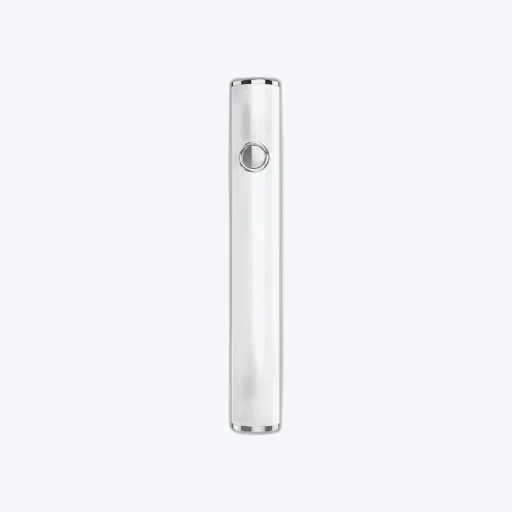
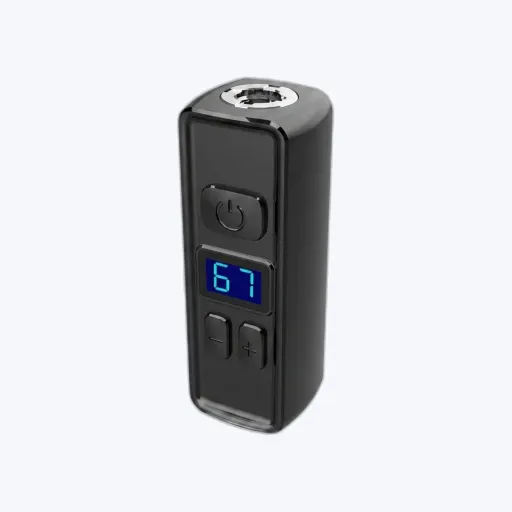
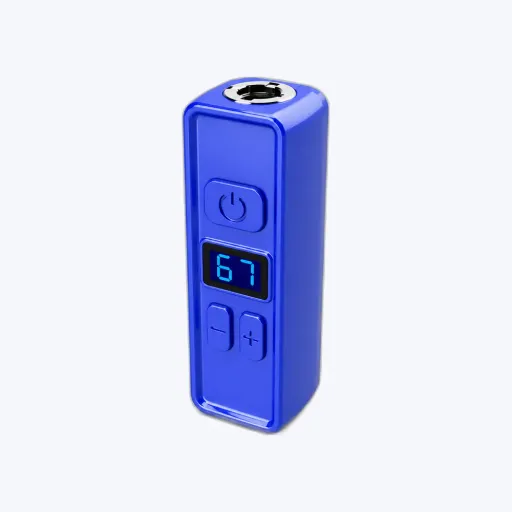
Empty Vapes ships within the EU and supplies 510 batteries and empty disposables as hardware only. MOQ starts from around 500 units with no container minimums, branded runs take about 15 days, and CE, RoHS, REACH and EU Battery Regulation documentation is available on request, with WEEE support.
Trade guidance for B2B buyers, not legal advice. We sell empty hardware only; you are responsible for the fill and for finished-product compliance in your market.
Browse the range in the shop, full specs, trade pricing after a free account, and CE and compliance docs on request.
Browse the catalogueGive us the hardware, the quantity and the market. We reply with a price, a specification and a lead time. A request for a quote is not an order.
Empty hardware only. No cannabinoids and no e-liquid. We sell to companies only.