HardwareFor this job
By the Empty Vapes trade desk. Published 2026-08-20, last updated 2026-08-20. How we write these.
The format decision sets your unit cost, your packaging tooling, your compliance load and how much of the brand the customer actually sees. It is easier to get right before the first order than after it.
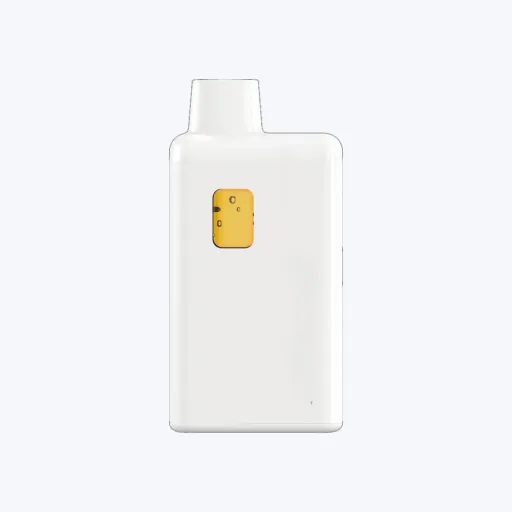
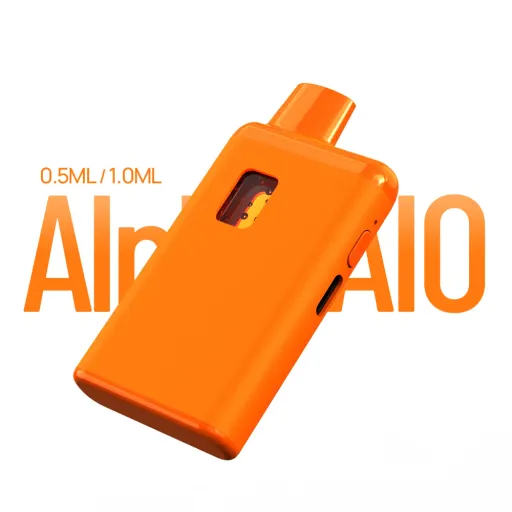
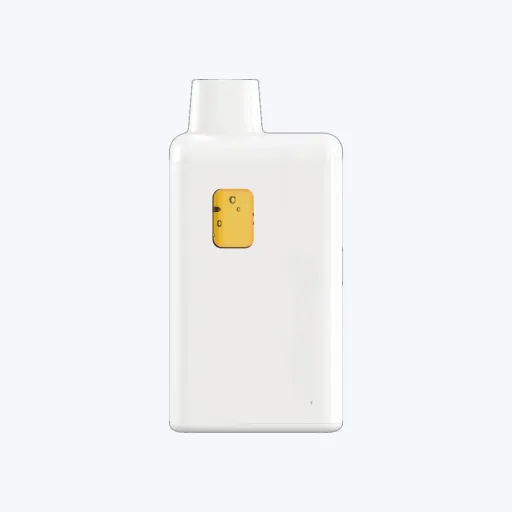
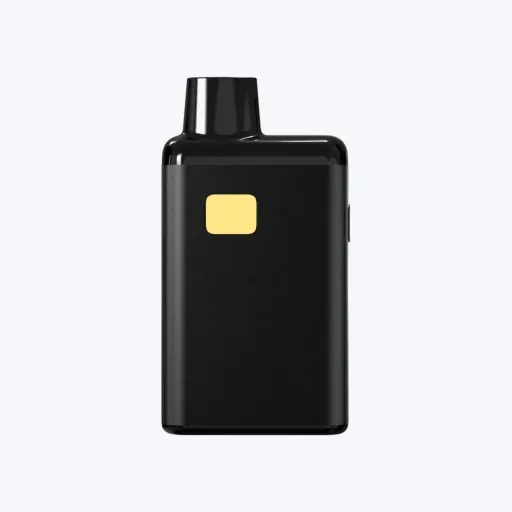
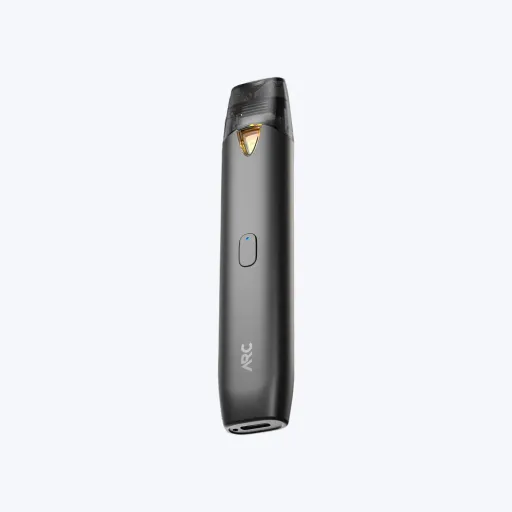
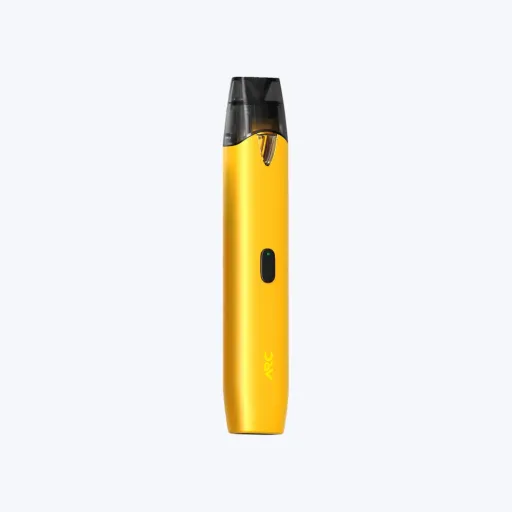
An empty disposable is a sealed one-piece device with the tank, coil and cell in the same body. A pod system splits the device: a reusable battery plus a replaceable pod. A 510 cartridge is a tank and coil with a threaded connector, sold to work with any 510 battery the customer already owns.
The rule is simple: whatever ships in every unit is paid for in every unit. A disposable contains a lithium cell, a control circuit and usually a charge port in each device sold, so the hardware cost per unit sold is the highest of the three at equal oil volume. A 510 cartridge contains a tank, a coil and a metal connector and nothing electrical, so it is the lowest. A pod sits between the two, with the cell moved into a battery the customer buys once.
Pods change the shape of the cost rather than only the size. You are selling two different products with two different reorder cycles, and you have to keep both in stock. If the battery sells out, the pods stop moving.
A disposable is the whole object. Shape, finish, colour, mouthpiece, window and print area are all yours to specify, and the customer holds your product rather than someone else's battery with your sticker on it. That control is the main reason brands accept the higher unit cost.
A 510 cartridge is a standard part in a standard shape, which is the point of the 510 standard. You can pick materials, coil and mouthpiece, but the silhouette is largely fixed and most brand expression moves to the packaging. A pod is in between: the pod body can be shaped, and the battery can be branded, but the pod has to fit the battery system you chose.
Battery ownership decides where your responsibility sits. Put a cell in every unit and every unit carries lithium transport paperwork, battery regulation duties and end-of-life obligations. Sell a cartridge with no cell and the customer supplies the power, which removes the cell from your unit economics but also removes your control over how the cartridge is driven. A cartridge run at the wrong voltage performs badly and the customer blames the oil; see matching a 510 battery to a cartridge coil.
Whichever way you go, battery documentation, WEEE registration and EU Battery Regulation duties need settling before launch, not after the first pallet arrives. Start with compliance.
Format carries an expectation. A disposable buyer expects to open it and use it with no setup and no charging decision, and expects it to work from the first puff to the last. A cartridge buyer expects compatibility with the battery already in their pocket, and treats the cartridge as a refill purchase. A pod buyer expects the battery to last and the pods to be findable, which means you are committing to keep that pod in stock for as long as the batteries are in circulation.
| Disposable | Pod system | 510 cartridge | |
|---|---|---|---|
| Hardware cost per unit sold | Highest, cell in every unit | Middle, cell bought once | Lowest, no electronics |
| Brand control | Whole device is yours | Pod plus battery, within a system | Mostly packaging |
| Refill and reuse | None, sealed single life | Battery reused, pod replaced | Cartridge replaced, battery reused |
| Battery ownership | You ship a cell every time | You ship a cell once per customer | Customer already owns one |
| Buyer expectation | Works out of the box, no setup | Pods stay available long term | Fits any 510 battery |
| Stock complexity | One SKU per variant | Two linked SKU families | One SKU, batteries optional |
| Lithium paperwork | On every shipment | On battery shipments | None on the cartridge itself |
Match the format to the constraint that binds hardest. If unit cost decides whether the range is viable, cartridges remove the cell from the equation. If the product has to look like yours on a shelf next to ten others, a disposable is the only format that gives you the whole object. If you want repeat revenue tied to a device the customer keeps, a pod system does that, at the cost of managing two stock lines.
The trade-off is real in both directions. Cartridges are cheaper per unit and give away brand control and battery control. Disposables give you the object and take on cell cost, transport paperwork and end-of-life duties. Neither is a free choice.
Across all three formats Empty Vapes supplies hardware only, with no cannabinoids and no e-liquid. MOQ starts from around 500 units with no container minimums, branded runs take about 15 days, and CE, RoHS, REACH and EU Battery Regulation documentation is available on request. Ordering a small batch of two formats before committing to one is usually cheaper than retooling later.
Trade guidance for B2B buyers, not legal advice. We sell empty hardware only; you are responsible for the fill and for finished-product compliance in your market.
Browse the range in the shop, full specs, trade pricing after a free account, and CE and compliance docs on request.
Browse the catalogueGive us the hardware, the quantity and the market. We reply with a price, a specification and a lead time. A request for a quote is not an order.
Empty hardware only. No cannabinoids and no e-liquid. We sell to companies only.