Why the pack matters before the order, not after
Documents are cheap to request while a supplier still wants the order and expensive to extract once the goods
have shipped. A market surveillance query, a marketplace listing check or a customer complaint all arrive without
notice, and each one asks for paperwork about the exact item that was sold. Ask at quotation stage, and treat a
refusal or a long delay as information about the supplier.
Nothing below is a claim that a supplier is legally obliged to hand you each item. Some of it is required
evidence in a regulated chain, some of it is ordinary commercial diligence, and which is which depends on the
product, your role and the market. Ask for all of it. Confirm what you are obliged to hold with your own
adviser.
The checklist to work through
- EU declaration of conformity for the exact model. Check the model reference against your
purchase order, and check that the document names a business and address, lists the legislation and standards
applied, and carries a date, a signature and the signatory's function. What each field should contain is set out
in the CE marking guide.
- The test reports the declaration relies on. A declaration references assessments. Ask for
them, including electromagnetic compatibility testing where it applies and restricted substances testing for the
device rather than a generic certificate for a neighbouring product.
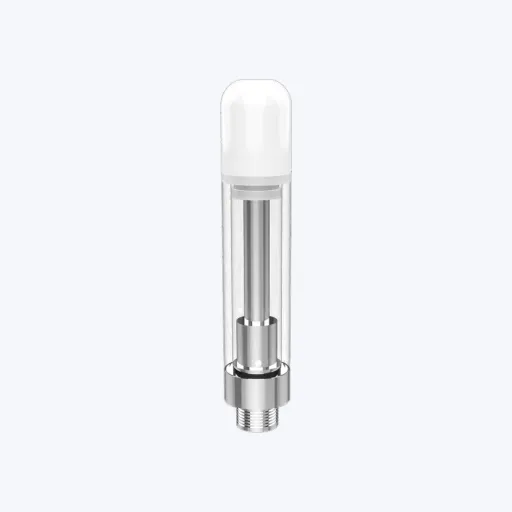
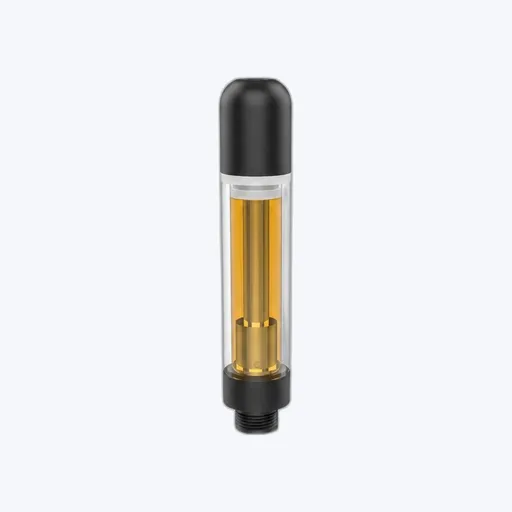
- Material declarations for the vapour path. Ask what the mouthpiece, seals, wick, heating
element and tank body are made of, and ask for the substance statements the supplier holds for those materials.
This is the part of a 510 cartridge your customers ask about most.
- Battery and cell evidence. Ask for the cell datasheet, chemistry, rated capacity and the
battery test summary the factory holds, together with the UN38.3 transport test report for lithium cells, which
is set out in Part III sub-section 38.3 of the UN Manual of Tests and Criteria, currently the eighth revised
edition plus Amendment 1. Freight
forwarders routinely ask for that report, and a shipment can be held without one.
- Safety data where relevant. Empty hardware is not a chemical product, so a safety data sheet
is usually not the right document for the device. Ask for it where it does apply, such as a cell manufacturer's
lithium battery safety document or any consumable, adhesive or cleaning agent supplied with the order.
- Unit weights and material breakdown. Ask for the weight of the device, the battery and the
packaging. You need these numbers to report accurately under the schemes covered in the
WEEE registration guide, and estimates create reporting errors
that are hard to unwind later.
- Artwork proofs before the print run. Ask for a proof showing every mark in position: the
recycling marks, the battery information, your traceability details and your branding. Approving once avoids a
second run, and the same proof covers the retail packaging.
- Traceability and batch coding. Ask how each production run is identified on the device or
its pack, and record which of your shipments corresponds to which batch. Without this a defect investigation has
to treat every unit you ever sold as suspect.
- A written change notification commitment. Ask the supplier to tell you when a component,
cell or material changes. A silent substitution invalidates the file you are relying on, and this is the single
clause buyers most often leave out.
- Retained samples and photographs. Keep sealed samples from each run with the file. When a
complaint arrives months later, a retained unit answers questions no document can.
How to file what you receive
Hold one file per model, per production run, with the purchase order, the documents above, the artwork proof
and the correspondence in it. Re-request the pack when the model changes, when the factory changes a component,
or when you open a new market. A file that has drifted from the product is worse than no file, because it invites
reliance.
Empty Vapes supplies documented empty hardware and provides what it holds on request, for the models we stock,
including for OEM runs on
empty disposables. The party that brands the device and places the finished
filled product on the market carries the national registrations and answers to the authorities for that product.
The frameworks behind those registrations are mapped on the compliance pillar.
FAQ
- Is a supplier legally required to give me all of these documents?
- Not every item on this list is a legal requirement on a supplier. Some are, some are commercial good practice, and which is which depends on the product and the market. Treat the list as what to ask for in a purchase conversation, and confirm your own obligations with a qualified adviser.
- What is the most common problem with supplier documents?
- A document that refers to a different model, a different production run or a different component. Check the model reference, the date and the issuing entity against your purchase order. A file that does not match the item you sold is of no use when an authority asks about that item.
- Does a supplier document pack make me compliant?
- No. Documents evidence the hardware. The business that brands the device and places the finished product on a national market still holds the registrations, the responsible person role and any rules that apply to what the device is filled with. Those obligations are not transferable by paperwork.
Trade guidance for B2B buyers, not legal advice. We sell empty hardware only; you are responsible for the fill and for finished-product compliance in your market. The buyer that brands the device and places the finished product on the market carries the national registrations and should take its own legal advice.