HardwareFor this job
By C. Chai, Empty Vapes Published 2026-08-20, last updated 2026-08-21. How we write these.
A vape device is electrical equipment, so it falls under the WEEE rules wherever it is sold. Registration is national, it is held by the business that places the product on that market, and no supplier can hold it on your behalf.
WEEE stands for waste electrical and electronic equipment. The EU framework is Directive 2012/19/EU, and it is implemented through national law in each member state. Its purpose is to make the businesses that put electrical equipment on the market pay for collecting and treating that equipment when it is thrown away, and to make it easy for a consumer to recognise an item that should not go in general waste.
Equipment falls in scope when it depends on electric current to work properly. That is a wide net and it is meant to be. The directive groups equipment into collection categories, and where a small device such as a vape lands is a national classification question. Ask the register you are joining which category it applies to your product rather than assuming, because the category drives the reporting and often the fee.
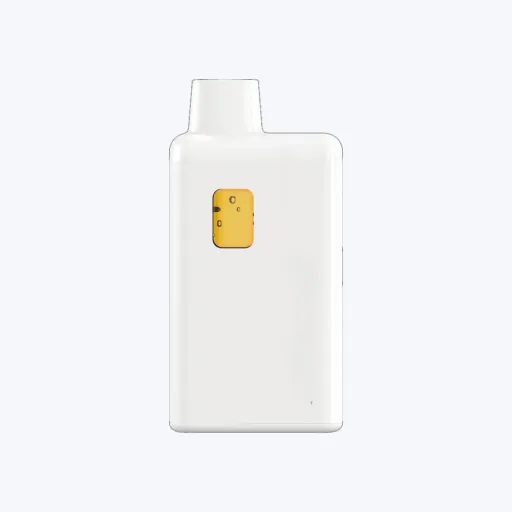
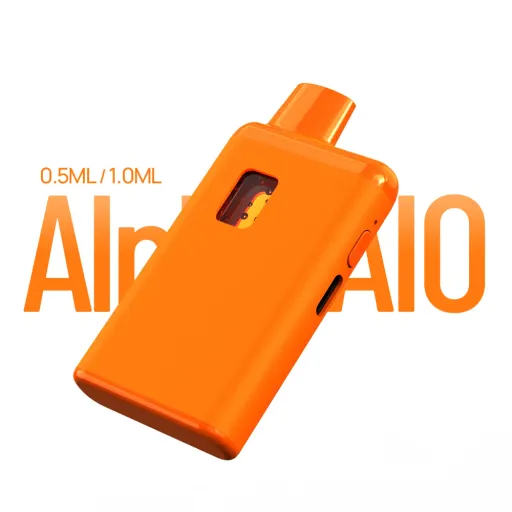
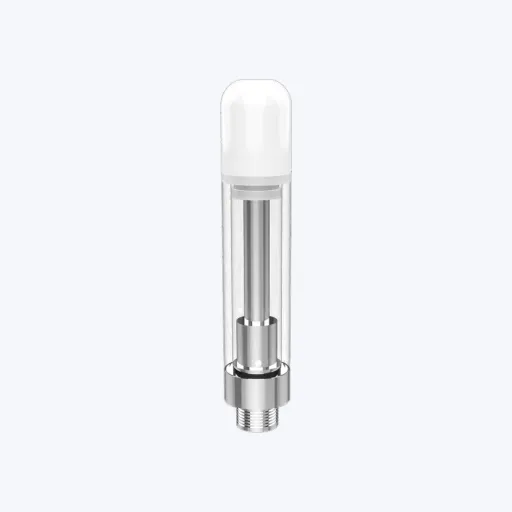
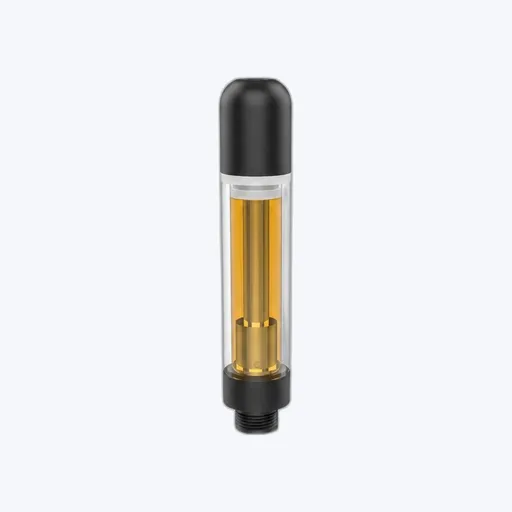
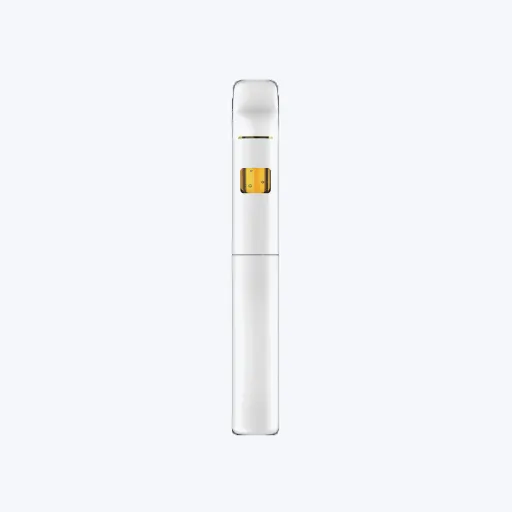
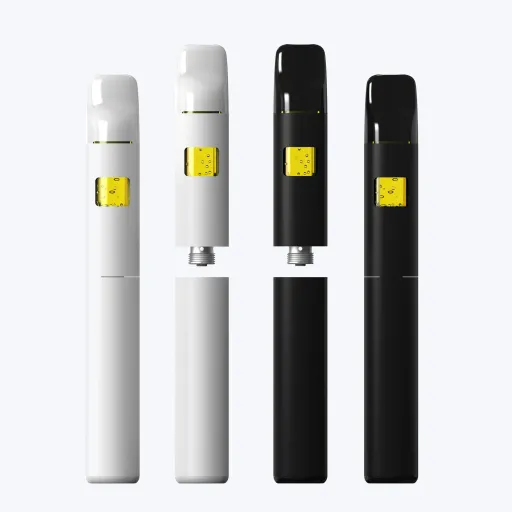
A 510 battery or a disposable body contains a cell, a circuit and a heating element, and it does nothing without current. It is electrical equipment. Selling it empty changes what is inside the tank, not what the device is. This is a point buyers get wrong in both directions. They assume an empty device escapes electronics rules because it is not a finished consumer product, or they assume the supplier has handled it because the invoice mentions WEEE. Neither is safe.
The battery inside the device brings its own separate obligation under the EU Battery Regulation. WEEE and battery producer responsibility are two schemes, with two registrations, two reports and usually two sets of fees. Read the EU Battery Regulation guide alongside this one, and see the compliance pillar for how the frameworks sit together.
The duty attaches to the producer. Under the directive that term covers, in broad terms, the business that first places the equipment on the market of a member state under its own name or trademark, the business that resells such equipment under its own brand, the importer bringing it into that member state, and a seller in another country supplying end users there by distance selling. Whether an authorised representative is required depends on which of those you are, not simply on where you are established. Article 17(1) says a member state must allow a producer established in another member state to appoint one. Article 17(2) is the mandatory limb and it bites on a distance seller established in its own state that sells to end users in another. A producer established outside the EU registers in the market it sells to through an authorised representative. Work out which case you are in before you budget for one. As at August 2026 the mandatory limb is also the subject of a live Commission proposal to suspend it, COM(2025) 983, which is not law and does not change the position today.
Read that list against your own operation before you decide it does not apply. If you buy empty hardware, put your logo on it and sell it in a market, you are almost certainly the producer in that market. Being small does not remove the duty, although some states run de minimis regimes that reduce what a low-volume producer owes. Poland, for example, relieves producers below 100 kg of small equipment or 1000 kg of large equipment per year from certain duties and from the product fee, but registration and annual reporting still apply. Confirm your exact status with the national register or a compliance scheme in that country, in writing.
Registration is the start of a recurring obligation, not a certificate to file. Expect to register with the national body or an approved compliance scheme, receive a producer number, report the quantity or weight of equipment you place on that market at the frequency the state sets, fund collection and treatment through scheme fees, and mark the product with the crossed-out wheeled bin symbol. Some states require the producer number to appear on your paperwork: Germany's ElektroG requires it when you offer equipment and on your invoices, which in practice means on the product listing as well. Some require financial guarantees. The WEEE directive itself requires a guarantee for equipment that can be used in private households, and Germany's ElektroG applies it that way while exempting equipment shown to be used only in a business setting.
Fees, thresholds, reporting periods and accepted evidence differ by country and change. Do not carry an assumption from one market into another. Ask each register for its current requirements and keep the answer with your product file.
| Item | Empty Vapes as hardware supplier | You as brand owner |
|---|---|---|
| Product-level technical evidence | Supplies the documentation held for the hardware | Keeps it in your product file |
| Unit and material weights for reporting | Provides figures on request | Reports them to the scheme |
| Crossed-out bin symbol on artwork | Prints it on approved artwork | Approves placement and legibility |
| National WEEE producer registration | Cannot hold it for you | Registers in each market you sell into |
| Authorised representative appointment | Cannot act as yours | Appoints one where required |
| Volume reporting and scheme fees | No role | Reports and pays on the scheme cycle |
| Take-back and consumer information | No role | Arranges through the scheme |
Decide which markets the first run will actually be sold in, because that list sets the registrations. Contact the register or a compliance scheme in each of them and ask what category your device sits in, what the reporting cycle is, and whether an authorised representative is needed. Ask us for unit weights and the artwork proof showing the symbol so the marks are printed once rather than relabelled later. If you are also ordering retail boxes, settle the marks with the packaging at the same time.
Getting the registration in place before stock lands is cheaper than remedying it after. A market surveillance query or a marketplace listing check will ask for a producer number, and neither will accept a supplier invoice in its place. The document side of the same job is set out in the guide to the document pack to demand from any hardware supplier.
Trade guidance for B2B buyers, not legal advice. We sell empty hardware only; you are responsible for the fill and for finished-product compliance in your market. The buyer that brands the device and places the finished product on the market carries the national registrations and should take its own legal advice.
Browse the range in the shop, full specs, trade pricing after a free account, and CE and compliance docs on request.
Browse the catalogueGive us the hardware, the quantity and the market. We reply with a price, a specification and a lead time. A request for a quote is not an order.
Empty hardware only. No cannabinoids and no e-liquid. We sell to companies only.