By the Empty Vapes trade desk. Published 2026-08-21, last updated 2026-08-21. How we write these.
A cartridge quality control checklist is worth writing down before the first batch arrives rather than after the first complaint. The order of the steps matters, because several of them stop being possible once a carton has been opened.
Agree the standard first
An inspection can only measure against a specification, and most disputes about a batch turn out to be disputes about what was agreed rather than about what arrived. Settle four things in writing before the order ships.
A dimensioned drawing. Overall length, body diameter, thread class, intake diameter and tolerances. Without one there is no number to reject against.
The coil specification with its tolerance. A nominal figure alone cannot be verified. See the coil resistance guide for what to ask for.
A defect classification. Which faults are critical, which are major, which are cosmetic. A scratch on a mouthpiece and a cracked tank should not carry the same weight.
The sampling plan. Inspection level and acceptable quality limit, referenced to a published standard so neither side is improvising.
How to draw the sample
ISO 2859-1 is the usual reference. It takes the lot size, an inspection level and an acceptable quality limit, and returns a sample size with accept and reject numbers. The point of using a published plan rather than picking a round number is that it makes the result arguable in one direction only: if the batch fails the plan you both agreed to, there is nothing to discuss.
Draw the sample across the production sequence rather than from one location. Cartons packed together contain units made within minutes of each other, so they hide the drift that appears when a machine warms up, a fixture loosens or an operator changes. Where the packing order is not recorded, take from cartons on different pallets and different layers.
The inspection procedure
Check the paperwork before opening anything. Match the delivery note against the purchase order for model, capacity, intake diameter, colour and quantity, and confirm a batch or lot code is present. A batch without a traceable code cannot be quarantined selectively later.
Photograph the shipment as received. Pallet, outer cartons, any damage, and the labels. This costs two minutes and is the only evidence that exists if you need to raise a transit claim after the cartons are opened.
Draw the sample across the run. Take units from the beginning, middle and end of the batch rather than from one convenient carton. Units packed together were made minutes apart and will not show the drift you are looking for.
Verify the count and the packing. Count a defined number of cartons in full rather than trusting the case quantity on the label, and note crushed trays, loose units or missing dividers.
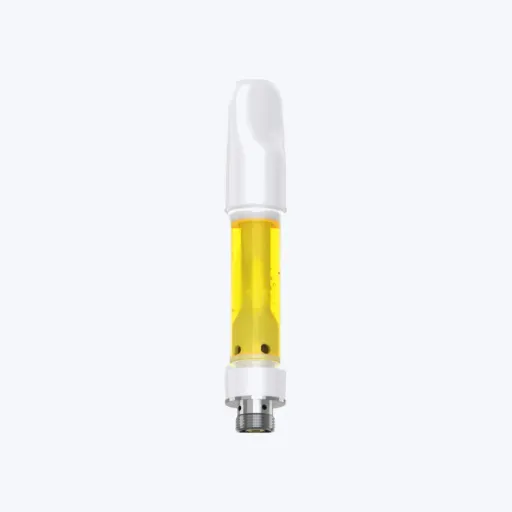
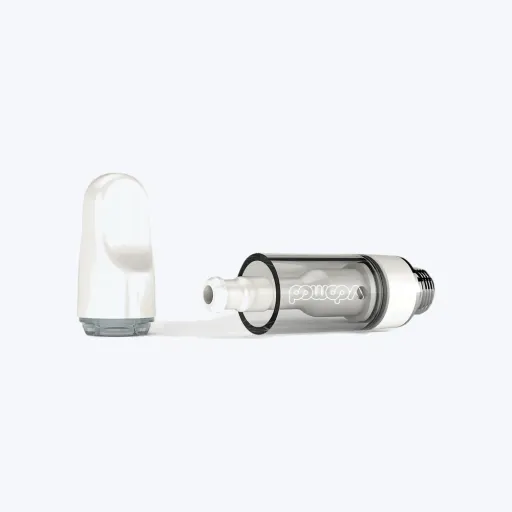
Run a visual inspection against a written defect list. Write the list before the batch arrives, not while you are looking at it. Cover scratches, chips, haze, mouthpiece finish, misaligned seals, debris inside the tank and any residue on the thread.
Take dimensional measurements against the drawing. Overall length, body diameter and mouthpiece height with calipers, compared to the supplier's dimensioned drawing. If you have no drawing, you have no specification and nothing to reject against.
Test the thread on a reference battery. Keep one known-good 510 battery aside purely for this. The cartridge should start square, seat without force and sit flush, and the centre pin should make contact without being crushed.
Measure cold coil resistance. Read across the centre pin and the outer thread with a multimeter, subtracting the lead resistance you measured by shorting the probes. Compare against the nominal and the tolerance band, and record every reading rather than only the outliers.
Check airflow with an unpowered draw. Draw through the empty cartridge and feel for restriction. A blocked or oversized airpath is obvious this way and invisible in a photograph, and this check costs nothing.
Fill and leak test a sub-sample. Fill with your own oil, cap, then hold units upright, inverted and horizontal, with at least one heat cycle in between. Inspect at 24 hours and again at 72. This is the check that predicts returns.
Record the results and make the decision. Write the batch code, the sample size, every measured value and the accept or reject outcome into a file you keep. A rejection you cannot evidence is a negotiation rather than a claim.
Deciding accept or reject
The accept and reject numbers come from the sampling plan, so the decision itself should be mechanical. What is not mechanical is what happens next, and it is worth deciding that in advance too. A batch that fails on cosmetics can often be sorted and part-accepted. A batch that fails on thread fit or resistance spread usually cannot, because the fault is in the process rather than in individual units.
Leak failures deserve their own treatment. They are the most expensive defect in the field, they are frequently caused by an interaction between the hardware, the oil and the fill temperature rather than by the hardware alone, and they are therefore the hardest to attribute. Test before you conclude. Our guide to why cartridges leak covers the mechanisms.
Documentation to file
Keep the inspection record with the compliance file for the batch rather than in a separate folder, because a market surveillance query arrives about a product rather than about a process. Alongside your own results, hold the supplier's declarations. CE, RoHS, REACH and EU Battery Regulation documentation is available on request from us and WEEE support is available, but the obligations that follow from placing the finished product on the market sit with you. See compliance, and supplier documentation for the full list to request.
Heavy metal migration is the one test most buyers cannot run in-house and should not skip. It is covered separately in the heavy metal testing guide. Stock 510 cartridges ship from around 500 units with no container minimum, which makes a proper first-batch inspection affordable before you commit to a larger run.
FAQ
How many cartridges should I inspect from a batch?
Use a published sampling plan rather than a round number. ISO 2859-1 derives the sample size and the accept and reject numbers from the lot size, the inspection level and the acceptable quality limit you have chosen. Agree the inspection level and the limit with your supplier in writing before the order ships, because a sampling plan disputed after a rejection is worth very little.
Can I measure coil resistance myself?
Yes. A basic multimeter across the centre pin and the outer thread reads the cold resistance. Short the probes together first and note the lead resistance, then subtract it, because on a reading near one ohm the leads are a meaningful share of the number. Compare the result against the nominal and the tolerance band on the specification, not against the nominal alone.
What is the single most useful check if I only have time for one?
A fill and leak test on a small sub-sample, using your own oil. It exercises the seals, the intake and the cap together under something close to real conditions, and leaks are the failure that generates the most returns. Every other check tells you about one component in isolation.
Should the sample come from one carton or several?
Several, drawn from the beginning, middle and end of the run where the packing order is known. Variation within a single carton is small because those units were made minutes apart. The variation that matters is across the run, and a sample taken from one convenient box will not show it.
Trade guidance for B2B buyers, not legal advice. We sell empty hardware only; you are responsible for the fill and for finished-product compliance in your market.
Source the hardware behind this guide
Browse the range in the shop, full specs, trade pricing after a free account, and CE and compliance docs on request.