HardwareFor this job
By the Empty Vapes trade desk. Published 2026-08-21, last updated 2026-08-21. How we write these.
The choice between a pod platform and 510 is a business model decision in a hardware costume. It sets who owns the refill and how cheaply a customer can leave you.
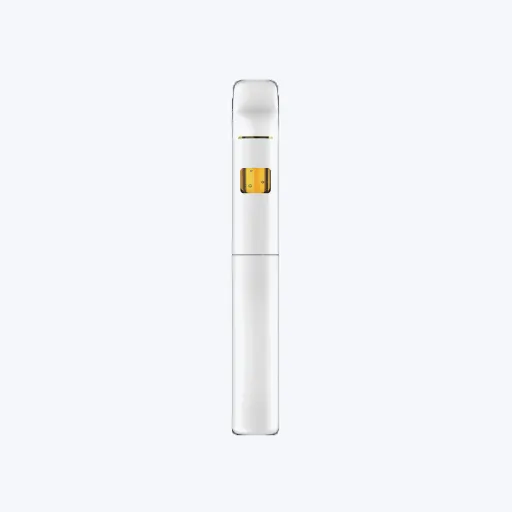
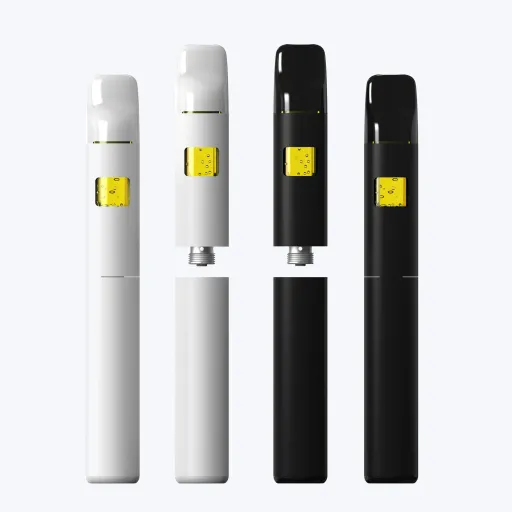
A 510 platform is an open standard. A threaded cartridge screws onto a threaded battery, and any compliant cartridge fits any compliant battery. It has been the default connection in this market for years, which is why it is stocked everywhere. What 510 thread means covers the mechanics.
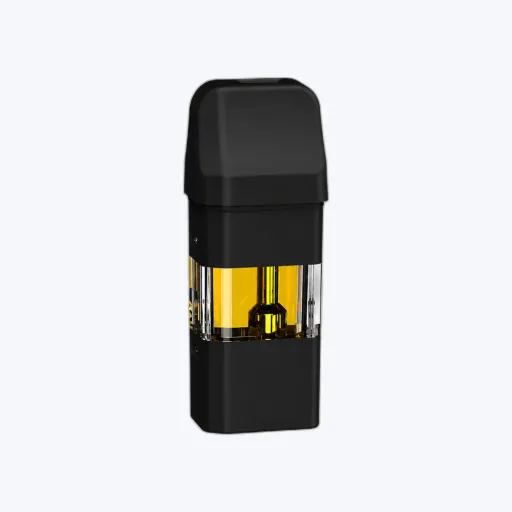
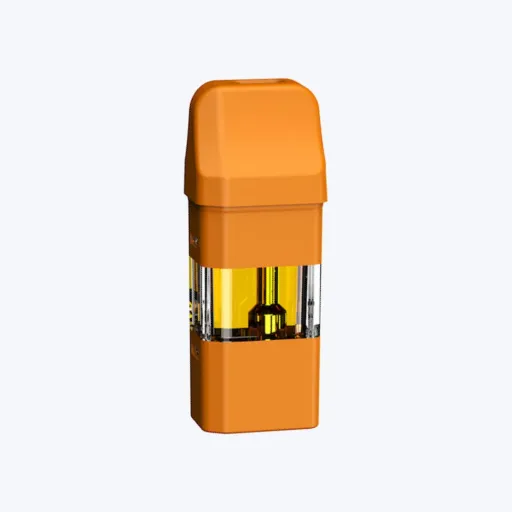
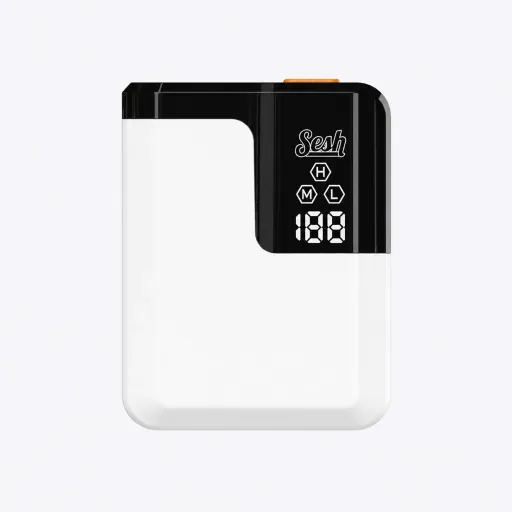
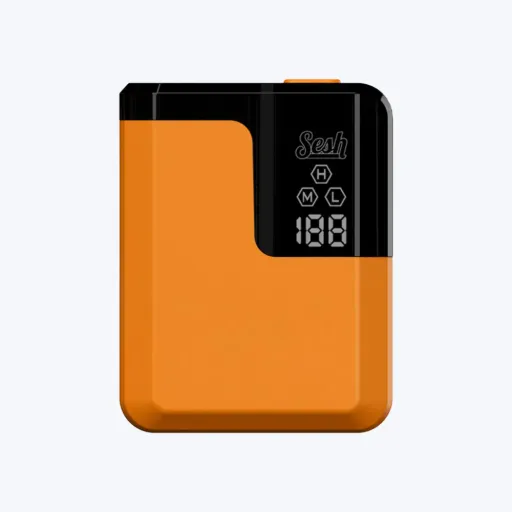
A pod platform is a matched pair. The pod is shaped and contacted for one battery, usually through a magnetic fit, and the two are sold as a system. Pod system vs 510 is therefore not really a hardware comparison. It is a decision about who owns the refill and how easily a customer can walk away.
| Pod system | 510 platform | |
|---|---|---|
| Hardware lock-in | High. The pod fits your battery and little else | None. The standard is shared across the market |
| Cross-brand compatibility | Limited, usually by design | Broad. Any 510 cartridge on any 510 battery |
| Who can supply the refill | You, if the pod interface is proprietary | Anyone selling a 510 cartridge |
| Repeat revenue per customer | Pod and oil together, every cycle | Oil only. The battery is bought once |
| Gross margin structure | Margin on hardware and oil at each repurchase | Thin hardware margin, oil carries the business |
| Brand control at the point of use | Strong. The whole device carries your identity | Weak. Your cartridge sits on someone else's battery |
| Tooling and setup cost | Higher. A proprietary interface needs tooling | Lower. Buy stock hardware and brand the surface |
| Switching hardware supplier | Hard. The pod is matched to one battery | Easy. The standard is not owned by your supplier |
| Customer's cost of leaving you | High. Leaving means buying a new battery | Zero. They unscrew your cartridge |
| First sale at retail | Harder. The customer must buy into the system | Easier. Many customers already own a battery |
| Documentation burden | Battery and pod, both yours to evidence | Cartridge and battery can come from different suppliers |
| Fault diagnosis | Contained. You control both halves | Split. A bad draw may be someone else's battery |
| Minimum viable order | Two matched SKUs plus packaging | One cartridge SKU, from around 500 units |
Lock-in is the honest name for the pod platform's main advantage, and it cuts both ways. A customer who owns your battery has a reason to buy your pods again. That same customer is a customer you had to convince to buy a whole system rather than a single cartridge, and the size of that first ask is the reason most pod launches stall.
The 510 platform inverts it. There is no first ask, because a large part of the market already has a battery in a drawer. Your cartridge competes on the shelf against every other cartridge on price, appearance and reputation, with nothing structural holding the customer in place. You get faster trial and no retention.
There is a third-party risk with 510 that is easy to miss. Your cartridge will be fired by batteries you did not specify, at voltages you did not choose. A cartridge tuned for one power band can taste burnt on a battery set high, and the customer will blame the oil. See battery voltage for cartridges and variable voltage and variable wattage.
On a 510 platform the battery is close to a commodity. Margin sits almost entirely in the oil, and the hardware is a cost of doing business that you want to buy well and not think about. That makes the model simple to run and easy for a competitor to copy.
On a pod platform hardware margin recurs, because a pod is sold with every fill. That looks better per transaction and worse per launch. You are funding tooling, holding two matched stock lines, and carrying the risk that a design revision strands the pods you already bought. Ask who owns the tool before you pay for it, because ownership is often not the default. OEM, ODM and white-label sets out which arrangement leaves you holding it.
Brand control is the argument most often made for pods, and it is real. The device in the customer's hand is entirely yours, from the housing to the interface, and no competitor's cartridge will ever sit on it. Against that, you have taken on single-source risk. If your pod supplier changes a mould, raises a price or stops the line, there is no drop-in alternative, because the interface is the thing that made it proprietary.
A 510 brand has the opposite position. Weak identity at the point of use, but a supply base of many interchangeable vendors and no switching cost worth naming. Decide which of those two risks your business is better placed to absorb.
Either way the compliance file is yours. Battery and WEEE producer registration and a responsible person are required before goods reach an end user, and a pod platform means two device records rather than one. CE, RoHS, REACH and EU Battery Regulation documentation is available on request. See compliance.
Trade guidance for B2B buyers, not legal advice. Empty hardware only, no cannabinoids and no e-liquid. B2B trade only, 18+ / 21+ per market. The buyer is responsible for the fill, for finished-product compliance and for product registration in their market.
Browse the range in the shop, full specs, trade pricing after a free account, and CE and compliance docs on request.
Browse the catalogueGive us the hardware, the quantity and the market. We reply with a price, a specification and a lead time. A request for a quote is not an order.
Empty hardware only. No cannabinoids and no e-liquid. We sell to companies only.