HardwareFor this job
By the Empty Vapes trade desk. Published 2026-08-21, last updated 2026-08-21. How we write these.
Three materials appear on almost every dry herb specification, and they are usually presented as a ranking. They are not a ranking. They behave differently, and the difference matters less than one structural question most listings never answer.
In most dry herb devices the heating element sits behind, around or below the chamber, and the chamber is a container that heat passes through. The material's job is to receive heat from the element and pass it to the load, evenly and repeatably. It is not producing the heat.
That matters because arguments about chamber material are usually arguments about heating method wearing the wrong label. A device that tastes scorched is more likely to be a conduction device with a hot wall and an overpacked bowl than one with the wrong ceramic in it. Read this alongside conduction against convection: the heating method decides most of what a customer notices and the material decides the rest.
One disclosure. Neither of the manufacturer content packs we hold covers dry herb hardware, so nothing here is drawn from a supplier specification. It is materials behaviour applied to a product category, and every device still has to be sampled on its own terms.
Strip away the marketing and the choice comes down to four things.
| Ceramic | Stainless steel | Quartz | |
|---|---|---|---|
| Heat transfer | Slower than metal. Heat arrives gradually and spreads before it reaches the load | Fast. The wall follows the element closely, so the device responds quickly to a change in power | Slower than metal, similar in character to ceramic |
| Heat retention | Holds heat once warm, smoothing the dip caused by a long draw | Heats fast and cools fast | Holds heat, and is usually a liner rather than the whole chamber |
| Evenness at the wall | Good. The lag spreads hot spots from the element | Depends on the element layout. A hot spot shows through more readily | Good, for the same reason as ceramic |
| Taste | Neutral. Inert at working temperatures | Neutral once broken in. Some users report a metallic note at first | Neutral, and the material most often chosen when taste is the selling point |
| Thermal shock | Tolerant, though a thick section heated unevenly can crack | Tolerant. Not a practical failure mode for steel | Very tolerant. Low expansion is the main reason it is used |
| Impact and handling | Brittle. Chips at the rim, the exposed edge | Dents rather than breaks. The most forgiving of the three | Brittle, and typically the thinnest section of the three |
| Cleaning | Tolerates alcohol. Abrasives damage the surface, and a coating more easily than a solid part | Tolerates alcohol and light mechanical cleaning. Easiest to service | Chemically robust, but the rim is vulnerable to any tool |
| Manufacturing cost | Middle. Forming to tolerance costs more than machining steel | Lowest. Cheap to form, and the easiest to hold a dimension in | Highest, and usually paired with more parts around it |
| Typical construction | A formed part carried in a metal body, or a coating over metal | Chamber and structure in one part | A liner or insert inside a metal or ceramic carrier |
| Where it fits | Mid range, where an even session is the claim | Value and mid range, or anything sold on durability | Premium, sold on flavour and looks |
None of these rows is a verdict. Steel is not a cheap substitute for ceramic; it is a faster and tougher material with a different failure profile. Quartz is not a better ceramic; it is a more expensive one, used where the brand wants to say so. A value device with a quartz chamber is expensive to make and hard to sell on the reason it is expensive.
The most useful question you can ask about a chamber is whether it is solid or coated, because both are described as ceramic and they are different products.
A solid chamber is formed from the material and behaves like it all the way through. A coated chamber is a metal part with a layer applied, so it heats like the metal and only the surface is the named material. Neither is dishonest: a coating is a sensible way to put an inert, easily cleaned surface on a cheap, strong structure. It becomes a problem when it is priced as if it were solid, and when it wears, because a coating that flakes leaves a surface nobody can inspect in the field.
So put it in writing. Ask whether the chamber is solid or coated, what the substrate is, what the coating is, how it is applied and what the adhesion test is. A supplier who answers all five is a different proposition from one who answers "ceramic". Zirconia against standard ceramic covers how loosely that word is used elsewhere.
All of it belongs on a document rather than in an email thread, which is what the spec sheet guide is for. If dry herb is new alongside an existing cartridge brand, the dry herb white-label guide covers what changes commercially.
Four checks, no equipment needed. Look into the chamber under good light for chips at the rim, cracks and flaking of a coating. Run a fingertip round the rim for edges that will catch a cleaning tool. Check the chamber is round and seated square, because one out of position sits unevenly against the element. And check whether a chamber screen is fitted and whether replacements exist, since a lost screen ends the device for most customers.
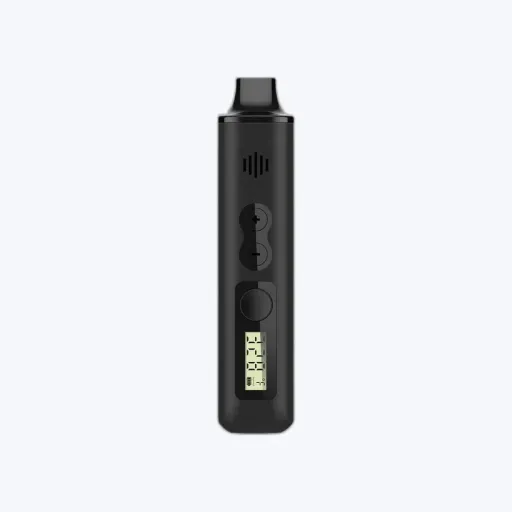
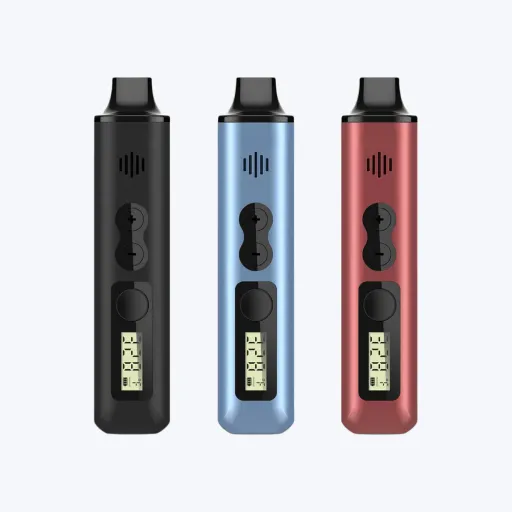
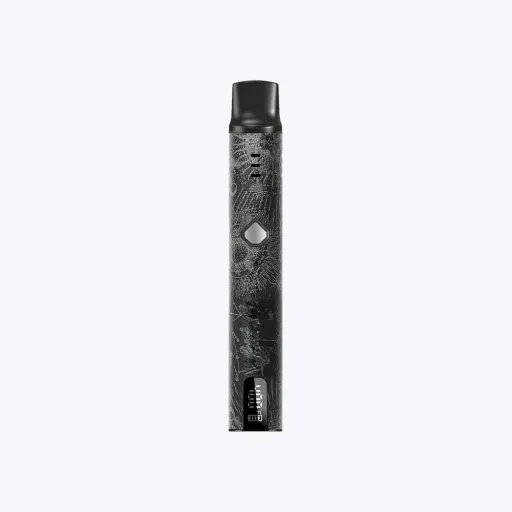
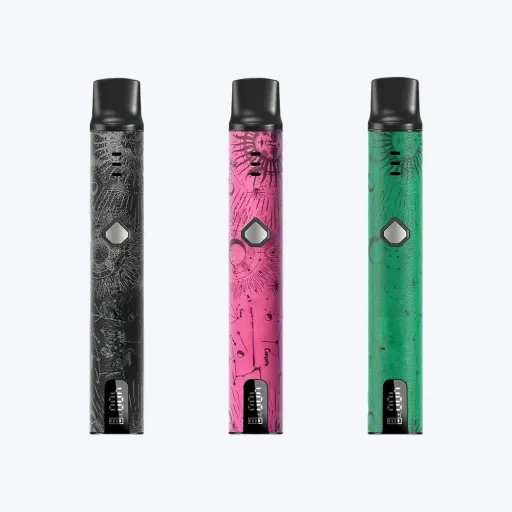
Then sample, because thermal behaviour is the specification most likely to differ from the datasheet. The sampling guide covers that, and the dry herb vaporizers range shows the formats we hold. Every device here carries a lithium cell, so CE, RoHS, REACH, the EU Battery Regulation and WEEE apply whatever the chamber is made of. Documentation is available on request; producer registration sits with whoever places the finished product on the market. See compliance.
Trade guidance for B2B buyers, not legal advice. We supply empty hardware only, with no cannabinoids and no e-liquid, B2B trade only, 18+ or 21+ according to your market. You are responsible for the fill, for finished-product compliance and for product registration in the markets you sell into.
Browse the range in the shop, full specs, trade pricing after a free account, and CE and compliance docs on request.
Browse the catalogueGive us the hardware, the quantity and the market. We reply with a price, a specification and a lead time. A request for a quote is not an order.
Empty hardware only. No cannabinoids and no e-liquid. We sell to companies only.