HardwareFor this job
By the Empty Vapes trade desk. Published 2026-08-20, last updated 2026-08-20. How we write these.
These three words appear on the same spec sheet and describe different jobs. Two of the materials cannot wick at all, which makes the comparison less useful than it looks until you know which part of the assembly each one is.
The core of a 510 cartridge has two jobs that pull against each other. It has to move oil from the intake to the heating element by capillary action, and it has to hold that oil in place while carrying heat into it without cracking or shedding particles. Wicking needs an open pore network. Structure and cleanliness favour a dense, closed material. No single material is good at both, which is why real cartridges use two or three different ceramics in one assembly.
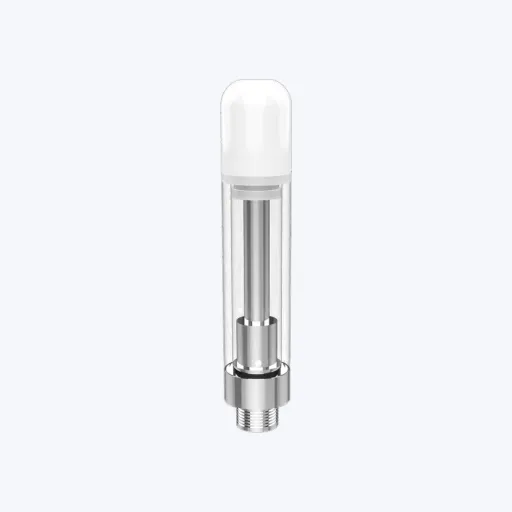
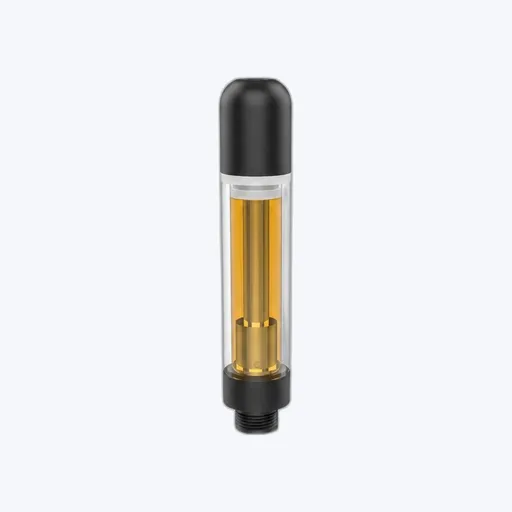
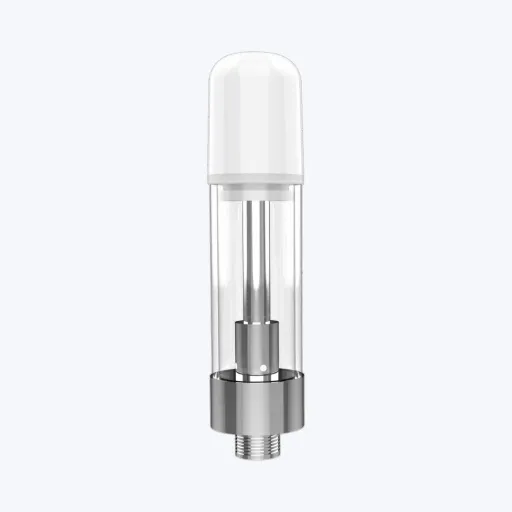
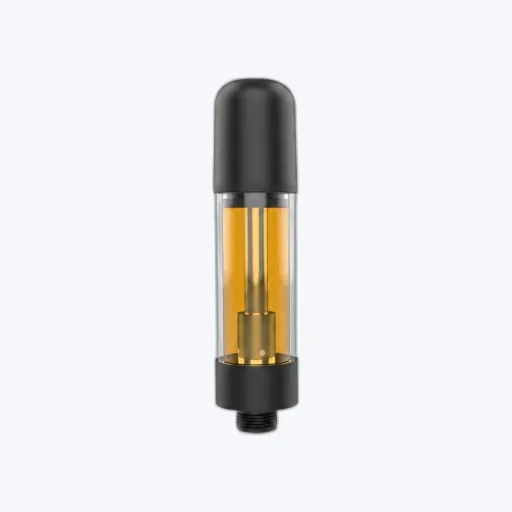
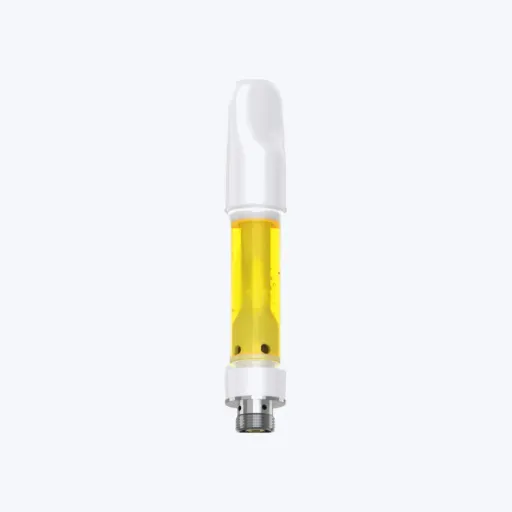
When a spec sheet says "ceramic core" it almost always means a sintered porous ceramic, usually alumina based, formed into a rod or a cup with an open pore network running through it. Oil enters through the intake, the pores draw it inwards, and a resistive element embedded in or wrapped around the ceramic heats it.
The two numbers that matter are pore size distribution and open porosity. Larger pores move thick oil faster and seep more readily. Smaller pores hold oil better and starve on viscous extracts. Neither figure is usually printed on a catalogue page, so ask for both. Porous ceramic also retains a small volume of oil permanently in its pore network, which shows up as product left behind at the end of a tank and as flavour carryover if the same platform is used for several SKUs.
Zirconia is zirconium dioxide. It is a technical ceramic with high fracture toughness and unusually low thermal conductivity for a ceramic, which is why it is used industrially as a thermal barrier. In its dense form it is effectively non-porous, so it absorbs nothing and wicks nothing.
In cartridges that means zirconia is normally a mouthpiece, a chamber wall or a structural insert rather than a wick. Its value is inertness and the fact that it does not soak up oil between production runs. If a supplier describes a cartridge as having a "zirconia core", ask which component they mean and what the wicking element is made of, because the wicking still has to happen somewhere.
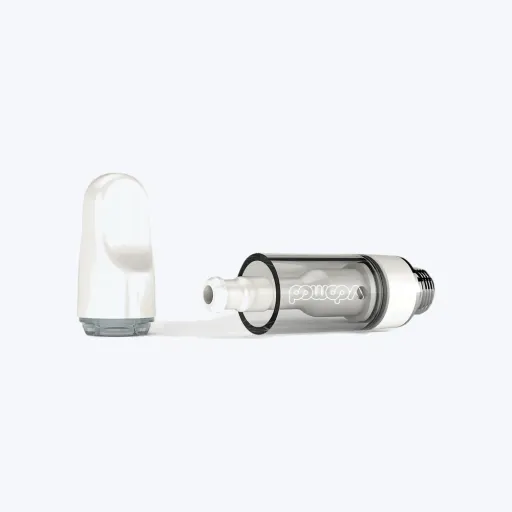
Quartz in this context is fused silica: high purity, chemically inert, low thermal expansion and non-porous. Like zirconia it does not wick. It is used where you want a clean, non-absorbing surface in contact with the oil, and it appears more often in concentrate and dry herb hardware, where the material sits in the heat path rather than in an oil feed path. In a 510 cartridge it is a chamber or a sleeve, paired with a separate wick.
| Material | Porosity | Heat behaviour | Usual role |
|---|---|---|---|
| Porous ceramic | Open pore network, wicks by capillary action | Spreads heat through the wetted volume | The wicking core itself |
| Zirconia | Dense, effectively non-porous | Low thermal conductivity, acts as a barrier | Mouthpiece, chamber wall, structure |
| Quartz | Non-porous, chemically inert | Low thermal expansion, tolerates cycling | Chamber or sleeve, paired with a wick |
| Fibre wick | Very high, wicks fast | Heats and degrades faster than ceramic | Low-cost alternative to a ceramic core |
Housing material is a separate decision from core material and changes what the customer sees and how the unit survives transit; that comparison is in ceramic versus glass cartridges. Materials also carry documentation obligations, and RoHS, REACH and EU Battery Regulation paperwork is available on request. Our MOQ starts at around 500 units with no container minimums and branded runs take about 15 days, so testing two core specifications against your own fill is a normal order. See compliance for what we can supply and what stays with you as the party placing the filled product on the market.
Trade guidance for B2B buyers, not legal advice. We sell empty hardware only; you are responsible for the fill and for finished-product compliance in your market.
Browse the range in the shop, full specs, trade pricing after a free account, and CE and compliance docs on request.
Browse the catalogueGive us the hardware, the quantity and the market. We reply with a price, a specification and a lead time. A request for a quote is not an order.
Empty hardware only. No cannabinoids and no e-liquid. We sell to companies only.