HardwareFor this job
By the Empty Vapes trade desk. Published 2026-08-21, last updated 2026-08-21. How we write these.
Cleaning is the only maintenance most customers will ever perform, and the routine you publish becomes your warranty position. It is worth settling before the first order, not after the first return.
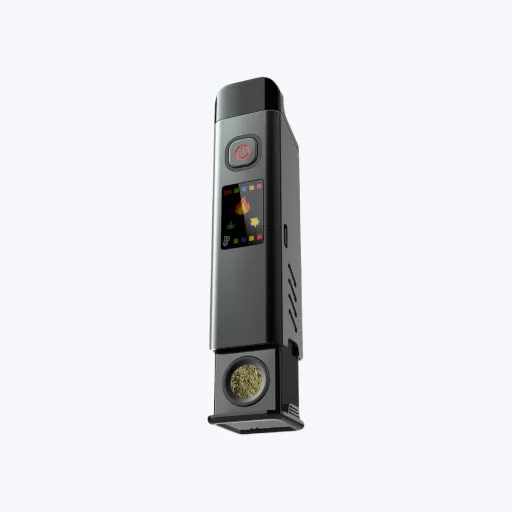
A dry herb device is the only format in this catalogue the customer opens, refills and services themselves. A 510 cartridge is a sealed consumable and a disposable is used and discarded. A dry herb chamber is reloaded, brushed, scraped, soaked and reheated hundreds of times by someone who has never seen your specification.
That changes what you are buying. Two devices with identical thermal performance are not equivalent if one has a replaceable screen and the other does not. It also changes what you publish, because whatever routine you print becomes the standard a warranty claim is judged against, and a routine copied from a competitor is a position you cannot defend on a device you did not design.
Ask the supplier both of these in writing, before the first order and not after the first complaint.
Ask what is in the box by way of tools at the same time. A brush and a pick supplied with the unit remove most of the reason a customer reaches for a screwdriver, and how the device behaves with an over-packed chamber depends on how it heats. See conduction against convection.
Devices are rarely retired whole. One part goes, and whether that is a repair or a replacement is decided by the spares list. Fill in the right-hand column before you order; it converts an engineering list into a commercial one.
| Part | How it fails | What the customer reports | Ask whether it is replaceable |
|---|---|---|---|
| Chamber screen | Blocks with residue, deforms, or is lost during cleaning | Tight draw, or material coming through into the mouth | Yes, and ask for the reorder part number and pack size |
| Chamber surface | Chips at the rim; a coating scores or flakes | Taste change, visible damage, sometimes nothing at all | Usually not, unless the chamber is a separate module |
| Seals and o-rings | Harden, swell or take a set from repeated heating | Draw feels loose, or the device rattles | Ask. This is the cheapest part and the most common silent failure |
| Mouthpiece | Cosmetic damage, a cracked seat, or simply lost | Loose fit, or a customer asking to buy a spare | Usually yes, and it is the easiest spare to stock |
| Vapour tube or cooling unit | Fills with condensate faster as the surface degrades | Tight draw and a heavier taste after a short interval | Depends on whether it is a separate assembly |
| Heating element | Fails outright, or drifts from the set temperature | No heat, or a session that no longer performs | Usually not a field-replaceable part |
| The cell | Loses usable capacity with cycling | Fewer sessions per charge | Ask directly. It decides the product's stated life |
| Charging port | Mechanical wear and ingress at the opening | Charges intermittently or only at one cable angle | Usually not, and it is a common warranty cause |
A device whose screen can be reordered has a service life measured by its cell. A device whose screen cannot be reordered has one measured by how long a customer keeps track of a small metal disc. That difference does not appear on any datasheet.
So treat the spares list as part of the quotation. Ask for the parts, the part numbers, the minimum order quantity on each and how long the supplier will hold them after the model is discontinued. Screens and mouthpieces are cheap to stock and turn a support ticket into a small sale. The commercial side is covered in dry herb white-label.
Publish three things and no more: the routine, the signs that it is due, and what voids the warranty. Keep it to one side of paper, use the device's own part names, and put a diagram on it. A customer who cannot identify the screen will not clean it.
Do not print an interval you have not measured. Print the signs instead, then add an interval once your own devices have given you one. What belongs on the insert is covered in packaging insert requirements, and the temperature side of the manual in dry herb vaporizer temperature.
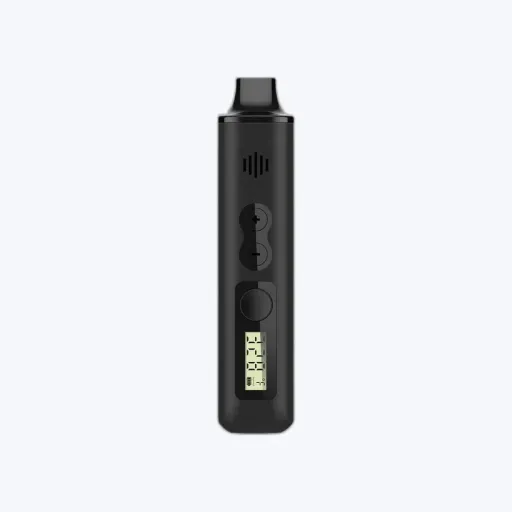
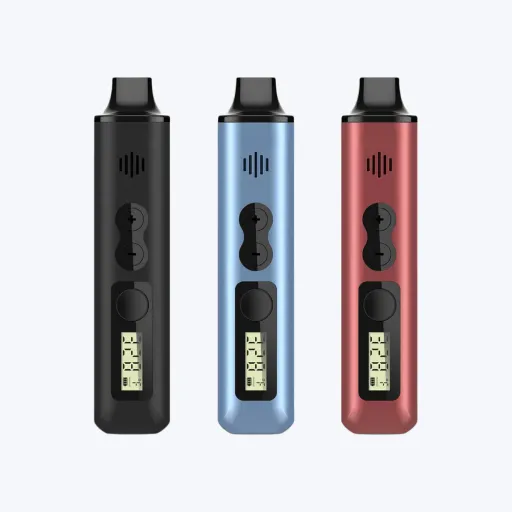
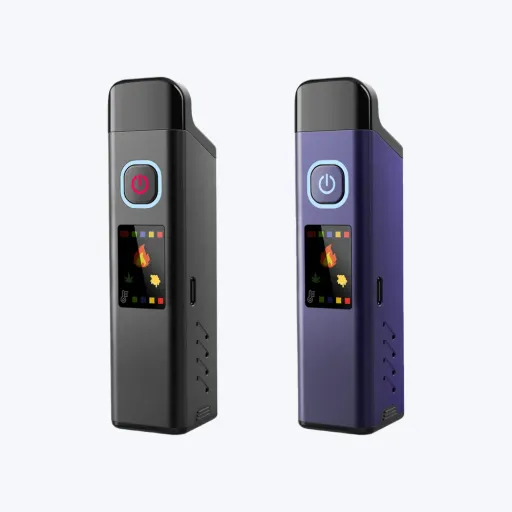
See the dry herb vaporizers range. Every device there carries a lithium cell, so CE,RoHS, REACH, the EU Battery Regulation and WEEE apply whatever the cleaning routine is. Documentation is available on request; producer registration sits with whoever places the finished product on the market. See compliance.
Trade guidance for B2B buyers, not legal advice. Empty hardware only, no cannabinoids and no e-liquid. B2B trade only, 18+ / 21+ per market. The buyer is responsible for the fill, for finished-product compliance and for product registration in their market.
Browse the range in the shop, full specs, trade pricing after a free account, and CE and compliance docs on request.
Browse the catalogueGive us the hardware, the quantity and the market. We reply with a price, a specification and a lead time. A request for a quote is not an order.
Empty hardware only. No cannabinoids and no e-liquid. We sell to companies only.