HardwareFor this job
By the Empty Vapes trade desk. Published 2026-08-21, last updated 2026-08-21. How we write these.
Buyers ask which cartridge suits a given cannabinoid. The cartridge cannot answer that; it responds to physical properties, not to chemistry. Here is what actually changes, and what to measure.
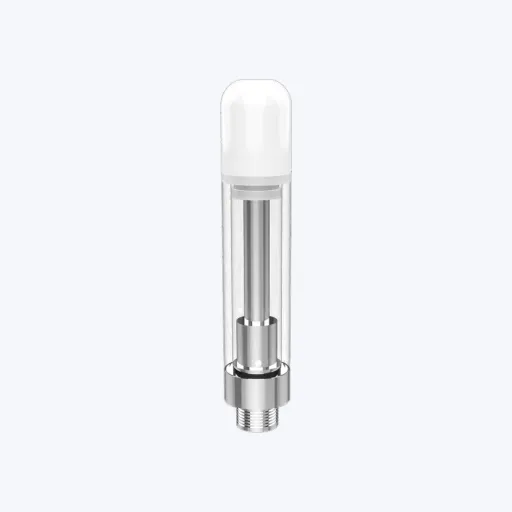
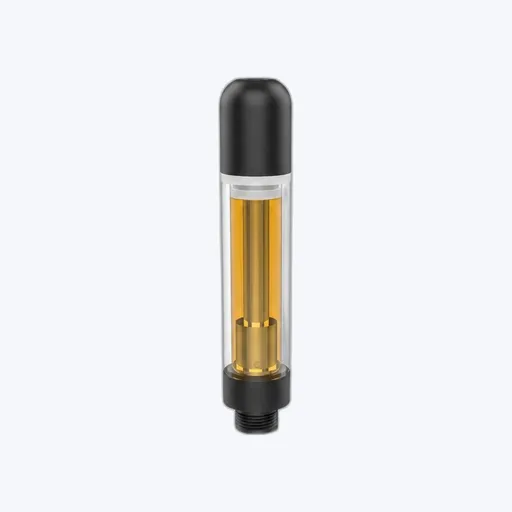
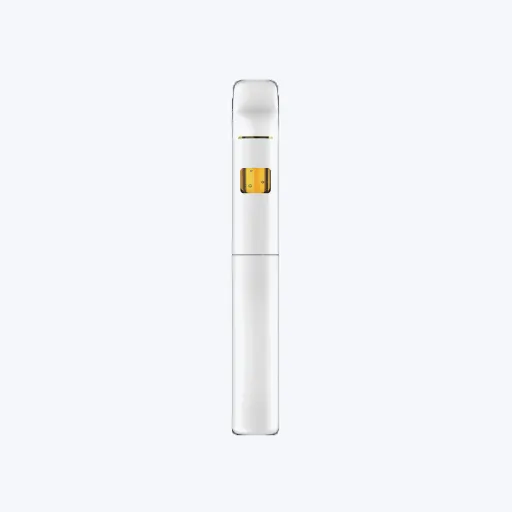
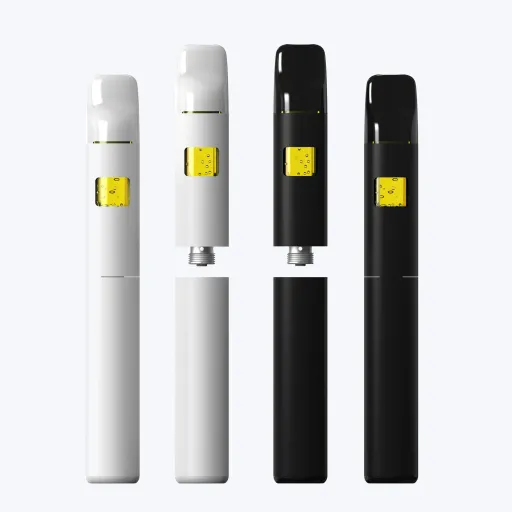
A 510 cartridge is a tank, a heating element, a porous core or wick, seals and a mouthpiece. Liquid crosses an intake aperture into the core by capillary action, the element heats it, and air drawn through the device carries the vapour out. Every step is governed by how the liquid behaves: how thick it is, how it wets the core, how it reacts to heat, how aggressive it is towards the materials around it.
None of those steps can read a label. Two formulations at the same viscosity, the same terpene load and the same fill temperature behave identically in the same cartridge whatever cannabinoid each is built around. So a request for hardware suited to a named molecule cannot be answered as asked. Restate it as a viscosity, a terpene percentage and a fill temperature and it becomes answerable.
The commercial argument for keeping a brand independent of any one molecule is a separate matter, covered in HHC, CBD and THC hardware. This page is about the physics.
Viscosity decides how fast liquid crosses the intake and reaches the core, and that single figure explains most compatibility failures. A thin formulation in hardware sized for a thick one crosses too readily, floods the core and leaks, usually into the airway or out of the mouthpiece. A thick formulation in hardware sized for a thin one starves the core, and a starved core overheats, which produces the burnt draw a customer blames on the oil.
Two points get missed. Viscosity quoted without a temperature is not a measurement, because these formulations thin sharply as they warm; a figure taken at filling temperature says nothing about a shelf in winter. And the same product can sit in different viscosity bands across a season, which is a specification question rather than a fault. Ask for viscosity at a stated temperature and size the intake from it. Cartridge intake for thick oil covers the sizing, and why vape cartridges leak covers the failure mode at the other end of the range.
The second figure that matters is terpene and solvent content. Terpenes are solvents in their own right, and a terpene-heavy formulation is harder on seals, adhesives and some mouthpiece polymers than a stripped distillate is. The result is not immediate. It shows up as a seal that softens over weeks, an adhesive bond that releases, or a mouthpiece that clouds, so it is a shelf-life problem rather than a first-draw problem.
This is why a soak test on your actual formulation, held at a realistic storage temperature and period, is worth more than any material claim on a datasheet. Test the parts that touch the liquid: tank, core, seals and mouthpiece. Vape hardware sampling sets out how to run that before a full order, and live resin cartridge hardware covers the terpene-heavy end of the range specifically.
Thicker liquid refills the core more slowly, so it tolerates less sustained power before the core dries. Higher terpene content tends to want a lower operating temperature, since the lighter aromatic compounds are the first to be degraded by heat. Both point the same way: viscosity and terpene load together set a sensible voltage window, not the molecule.
Match the element to that window rather than choosing a battery and hoping. Resistance and delivered power are one system, covered in cartridge coil resistance. Validate on your own fill: a datasheet describes the hardware under a reference liquid, not the liquid you are selling.
| Formulation property | What it drives in the hardware | How to get the figure | Failure if you get it wrong |
|---|---|---|---|
| Viscosity at a stated temperature | Intake aperture sizing and core porosity | From your extractor, with the temperature stated | Leaking if too thin, dry burn if too thick |
| Viscosity across storage temperature | Whether one intake covers your whole season | Measure warm and cold, not once | A product that leaks in summer and starves in winter |
| Terpene and solvent content | Seal, adhesive and mouthpiece material choice | Percentage from the formulation sheet | Softened seals and clouded mouthpieces over weeks |
| Heat sensitivity of the aromatics | Operating temperature and voltage window | Sensory testing across the range on your fill | Flat or harsh vapour that reads as a quality fault |
| Target dose per unit | Tank capacity and format | Your own product plan, then the market rules | A capacity you cannot lawfully sell in that market |
| The cannabinoid name itself | Nothing in the hardware | Not a physical property | Specifying from it instead of from figures |
| Legal status of the fill | Nothing in the hardware | National law, confirmed with a local specialist | A launch that stops for reasons the cartridge cannot fix |
Ask for four numbers before you order: viscosity at a stated temperature, terpene and solvent percentage, intended fill temperature and target dose per unit. Specify hardware from those, then validate with a sample fill of your own liquid rather than a reference one. Qualify a second intake option alongside your primary one, so a change of formulation becomes a re-test rather than a re-sourcing exercise. Buying empty 510 cartridges from around 500 units with no container minimum exists for that reason: a first order should be able to be wrong cheaply.
One point worth separating out. The hardware compliance file does not move when the fill does. CE, RoHS, REACH, WEEE and battery registration describe an electronic device with a built-in cell, as set out in the EU compliance pillar, and none of it mentions a cannabinoid. What is governed nationally is the finished product, and those rules move quickly. We state no position on the legal status of any cannabinoid in any market. Confirm yours with a local specialist before you formulate or label. This page is trade guidance, not legal advice.
Trade guidance for B2B buyers, not legal advice. We sell empty hardware only; you are responsible for the fill and for finished-product compliance in your market.
Browse the range in the shop, full specs, trade pricing after a free account, and CE and compliance docs on request.
Browse the catalogueGive us the hardware, the quantity and the market. We reply with a price, a specification and a lead time. A request for a quote is not an order.
Empty hardware only. No cannabinoids and no e-liquid. We sell to companies only.