HardwareFor this job
By the Empty Vapes trade desk. Published 2026-08-21, last updated 2026-08-21. How we write these.
Thick extract fails in the feed path, not in the coil. Two figures decide most of it, and one of them is missing from a great many supplier datasheets.
Live resin and live rosin are made from fresh-frozen material and are generally thicker, more terpene-rich and less uniform than distillate. Live rosin, being solventless, can carry more particulate and lipid content and vary more batch to batch. None of that changes the coil. It changes how quickly extract moves from the tank into the wicking material and reaches the heating element.
That is why the symptoms of a mismatch look like coil problems and are not. A starved core produces a weak first draw, then a burnt taste as the element heats material that is not there. Buyers change the voltage and blame the battery, and the cartridge keeps failing, because the restriction is upstream. The reverse mismatch floods the core and leaks into the airway: a feed path sized for thick extract, filled with something thinner. See why vape cartridges leak.
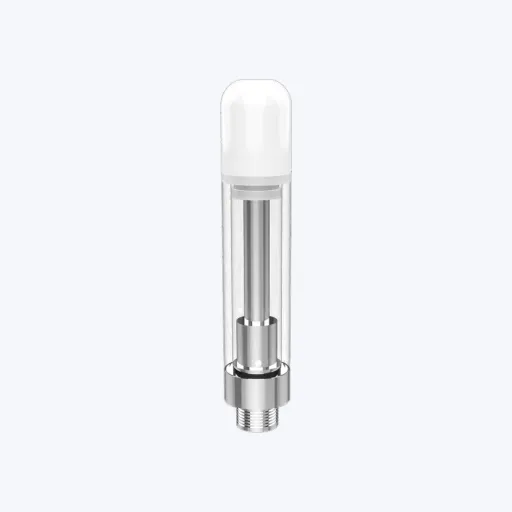
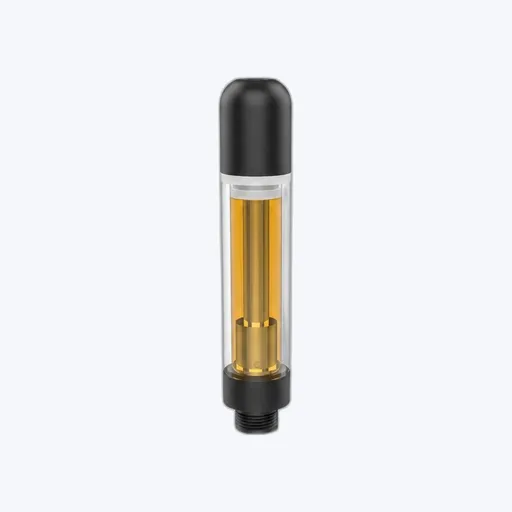
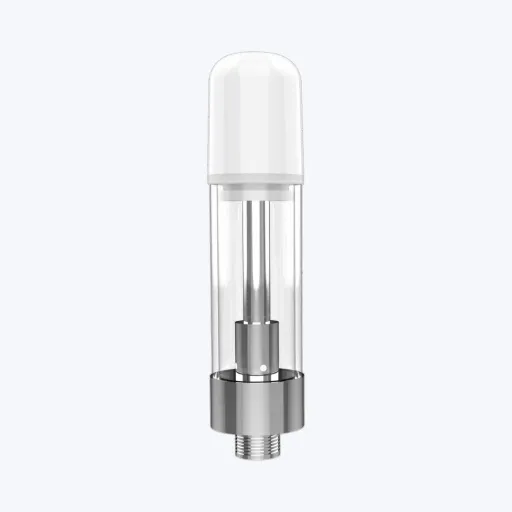
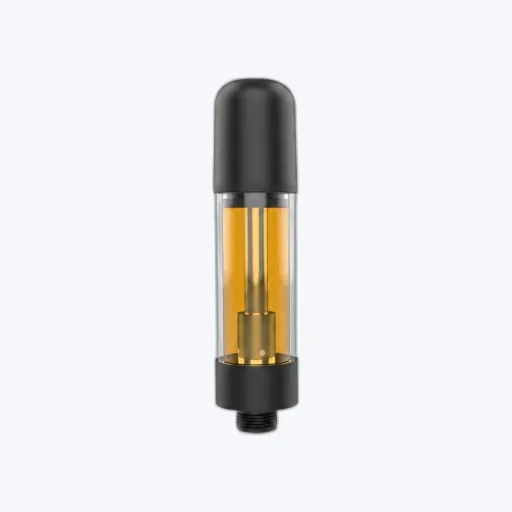
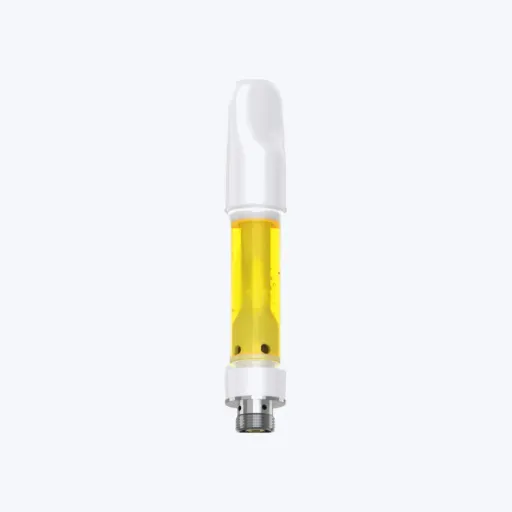
The intake apertures meter oil from the tank into the wicking path. Flow through a small opening falls away sharply as the fluid thickens, so an aperture that suits a thin distillate can be close to closed for a cold live rosin. Suppliers respond with a larger aperture, more apertures, or a more open core. Most designs combine them.
Two consequences. First, the intake is chosen against the oil, not the device: no aperture is correct in the abstract. Second, viscosity is temperature-dependent, so a figure without a stated temperature is not usable. Extract that feeds acceptably in a warm room can starve in a cold one. Ask for the figure at a stated temperature, and test across the range your product will see. More on the mechanism in cartridge intake hole size and cartridge intake for thick oil.
Core choice sits alongside it. A porous ceramic core wicks by capillary action, and its pore structure sets how fast it can accept what the aperture delivers. Aperture and core are a pair. Sizing one without the other is how a cartridge ends up correct on paper and starved in the hand.
CCELL publishes a stock intake range of 1.2, 1.4, 1.6, 1.8 and 2.0 mm, and some of its products use apertures above that range. That is a useful thing to publish, because it lets a buyer hold a conversation in millimetres instead of adjectives.
Not every manufacturer does. Nextvapor publishes no intake or aperture sizing in its product specifications at all. Its published fields cover capacity, output, coil, chamber, materials and airflow, and the intake diameter is not among them. That is not unusual across the industry and it is not evidence of a bad part. It is a reason to make the request explicit: ask any supplier for the aperture diameter in millimetres and the number of apertures, in writing, per SKU. A supplier who can answer immediately has characterised the part. One who cannot has told you something useful too.
Treat any published figure as the start of a test rather than the end of a decision. Our empty 510 cartridge range and the CCELL-compatible range both quote intake options on request.
Sample properly and the rest of the programme gets cheaper. Order a small qualification quantity of two or three intake options, fill them with the extract you will actually run, and score them against the same list every time so results are comparable across suppliers and revisions. Keep the failed units. A starved cartridge and a flooded one look different when you cut them open, and that is the fastest way to learn which direction to move the aperture.
Low minimums make this affordable. Stock hardware from around 500 units with no container requirement means a qualification round need not be a committed run, and branded hardware takes about 15 days once the spec is settled, so finish testing before that clock starts. See the cartridge QC checklist, and for solventless our rosin cartridge guide.
The hardware documentation, CE, RoHS, REACH and battery testing, describes the empty device and does not change with what you fill. The rules governing the extract itself are national: see the EU compliance pillar for the hardware side. This page is technical guidance for trade buyers, not legal advice.
Trade guidance for B2B buyers, not legal advice. We sell empty hardware only; you are responsible for the fill and for finished-product compliance in your market.
Browse the range in the shop, full specs, trade pricing after a free account, and CE and compliance docs on request.
Browse the catalogueGive us the hardware, the quantity and the market. We reply with a price, a specification and a lead time. A request for a quote is not an order.
Empty hardware only. No cannabinoids and no e-liquid. We sell to companies only.