HardwareFor this job
By the Empty Vapes trade desk. Published 2026-08-21, last updated 2026-08-21. How we write these.
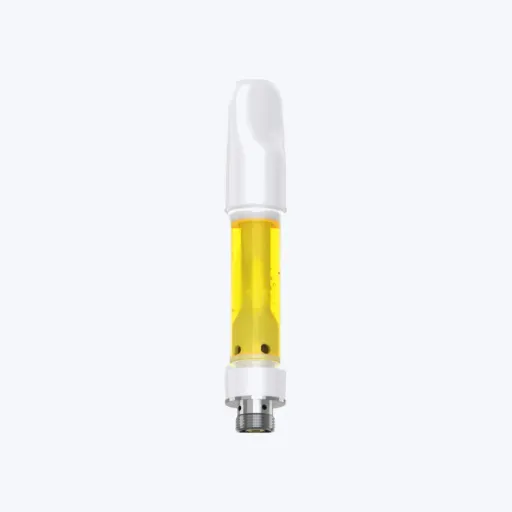
Learning to prime a 510 cartridge properly removes one of the most common causes of a returned unit: a burnt first puff from a cartridge that was mechanically perfect and simply not ready.
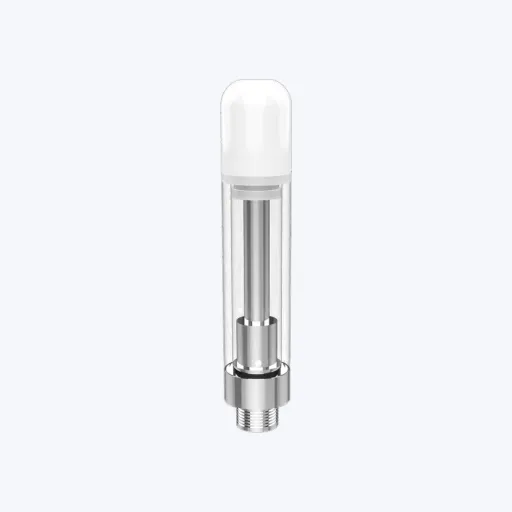
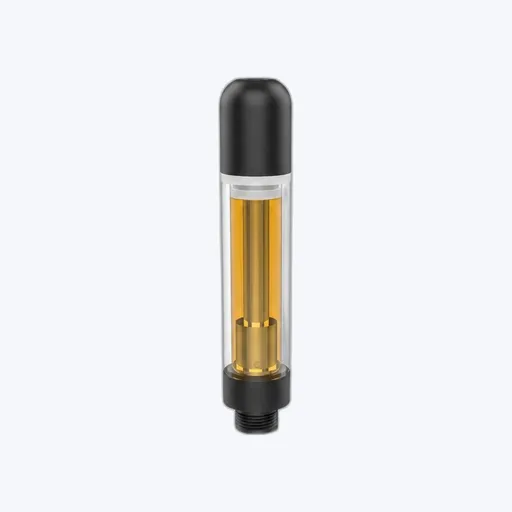
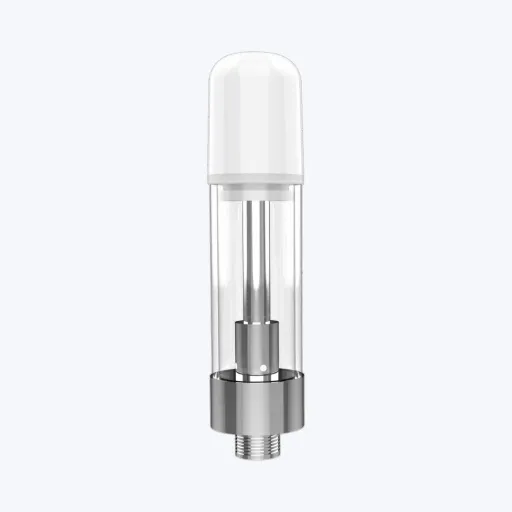
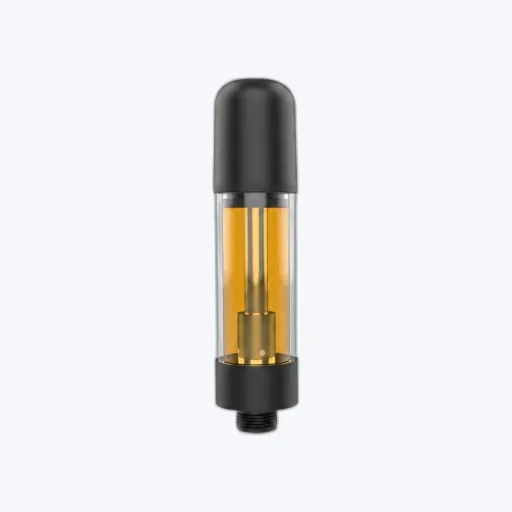
A ceramic core is a porous solid with a heating element in or around it. Oil moves through it by capillary action, which is slow and which slows further as viscosity rises. Priming is the deliberate pause that lets that movement finish before heat is applied.
Skip it and the first draw heats a partly dry element. The dry section runs hotter than the wetted section because there is no oil absorbing energy as it vaporises, and the result is a scorched taste that the customer attributes to the oil or to the brand. The cartridge is undamaged in most cases, but the first impression is spent.
Break-in is the same idea extended over the first few draws. The element and the ceramic reach a stable working temperature after several cycles, and a cartridge run gently through those first cycles behaves more consistently than one taken straight to maximum voltage.
CCELL publishes battery guidance in this shape on some of its own devices, listing 2.8 V for flavour, 3.2 V as balanced and 3.6 V for maximum vapour. That is their scale for their hardware, but the pattern holds: the low end protects taste and the high end produces volume. The voltage guide and the preheat guide cover the battery side.
Firing too early. The most common failure and the least visible, because the cartridge looks fine. If a whole batch tastes scorched on the first draw and clean on the fifth, the rest period was too short rather than the hardware being at fault.
Priming too hard. Long draws at high voltage to force a wick through do the opposite. They boil oil at the surface of the core, leave residue and can drive enough vapour pressure into the tank to push oil past a seal.
Confusing a clog with a dry core. Both give a weak draw. A clog resists air; a dry core does not. That is what the unpowered draw in step four distinguishes, and it is the reason it comes before any power is applied.
Cold chain surprises. A cartridge that primed correctly in a warm room can reach a customer after a cold night in a van, with the oil pulled back out of the core. Not a fault, but worth a line on the insert telling the customer to warm the unit in the hand first.
You cannot prime a production run individually and there is no reason to. What you can do is prime a defined sample from each batch, record the result, and use it as a release check. Take units from the beginning, middle and end of the run rather than from one carton, since the interesting variation is across the run rather than within a box. Then publish the working settings on the packaging.
That sample test is where a hardware problem becomes visible, so run it before the whole batch is capped. Our cartridge QC checklist sets out the incoming inspection alongside it.
Empty Vapes supplies the hardware only. 510 cartridges start from around 500 units with no container minimum, CE, RoHS, REACH and EU Battery Regulation documentation is available on request and WEEE support is available, but the fill process and the finished-product duties are yours. See compliance.
Trade guidance for B2B buyers, not legal advice. We sell empty hardware only; you are responsible for the fill and for finished-product compliance in your market.
Browse the range in the shop, full specs, trade pricing after a free account, and CE and compliance docs on request.
Browse the catalogueGive us the hardware, the quantity and the market. We reply with a price, a specification and a lead time. A request for a quote is not an order.
Empty hardware only. No cannabinoids and no e-liquid. We sell to companies only.