HardwareFor this job
By the Empty Vapes trade desk. Published 2026-08-20, last updated 2026-08-20. How we write these.
Pre-heat is a low power warm-up applied before the first draw. It solves one specific problem, and for the products that do not have that problem it adds nothing.
Pre-heat, also written preheat, is a mode on a 510 battery that applies power to the coil at a reduced level for a short fixed period, with no draw taking place. The point is not to make vapour. The point is to raise the temperature of the oil sitting around the coil and in the wick so that it flows.
It is worth being precise about the direction, because the name misleads people. Pre-heat is lower power than the normal firing setting, not higher. It runs longer and gentler so that heat spreads into the oil rather than flash-vaporising the thin film touching the coil.
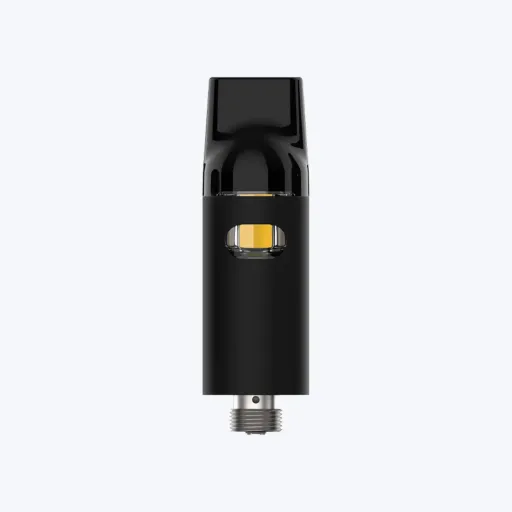
Oil reaches the coil by capillary action through a wick or a porous ceramic core. Capillary flow depends on viscosity, and viscosity depends strongly on temperature. Thin distillate at room temperature moves through a ceramic core on its own. Rosin, live resin and other high viscosity concentrates barely move at all until they are warmed.
Without warming, the first draw on a thick oil pulls on a wick that is not fully supplied. The coil runs hotter than intended against a partly dry surface, which is the same failure described in matching a battery to a coil. Pre-heat closes that gap by warming the oil before any air moves through the device. Intake sizing is the other half of the same problem and is covered in the thick oil and rosin guide.
A cartridge carried in a coat pocket in winter is a viscosity problem even with a thin oil. The whole tank is cold, the ceramic is cold, and the first draw asks the coil to heat oil that has stiffened. Customers read this as a faulty cartridge, because the same device worked indoors the day before.
Seasonality is a real support cost. If you sell into northern European markets, complaints about weak draws will cluster in winter, and the hardware did not change. Specifying pre-heat on the paired battery removes a share of those tickets, which is worth more than the feature looks on a datasheet.
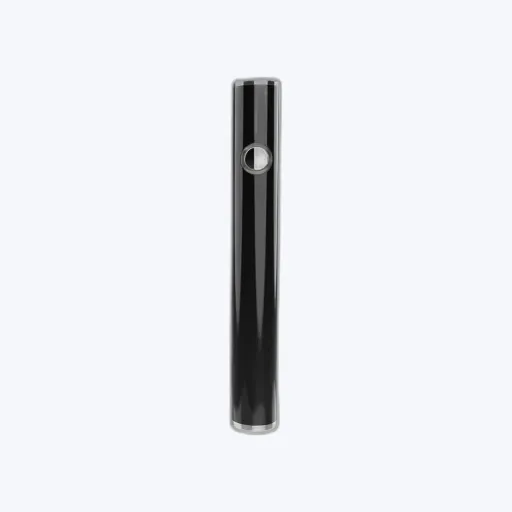
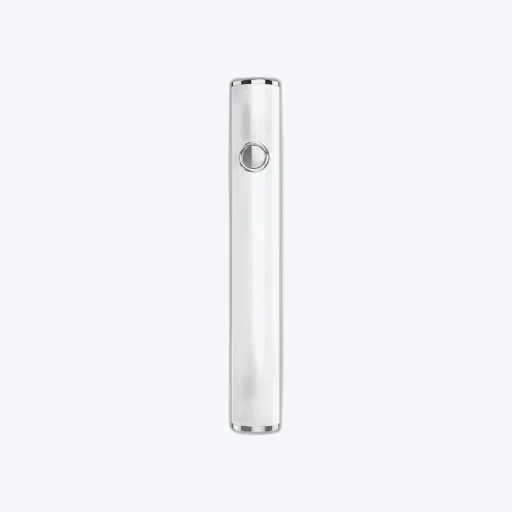
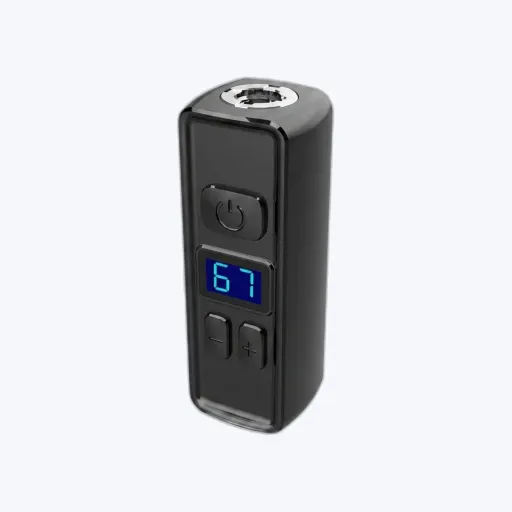
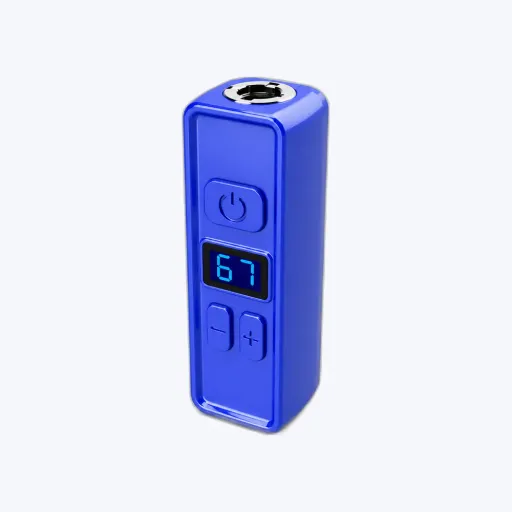
On a button battery the common pattern is two rapid clicks, with five clicks kept for turning the device on and off. The device then fires at reduced power for a fixed time and stops on its own, or stops early if the button is pressed again. Some batteries indicate the mode with a different LED colour or a pulse.
Duration varies by model. It is usually a fixed short burst rather than something the user sets, and on some devices it can be run twice in succession for a very cold cartridge. Do not assume a figure: ask the supplier for the pre-heat duration and the pre-heat voltage or power level, because those two numbers are what actually differ between models that all list pre-heat on the box.
Draw-activated batteries with no button often have no pre-heat at all, or trigger it automatically. If your customers use a buttonless device, check what happens on the first draw before you assume the feature exists.
| Situation | Without pre-heat | With pre-heat |
|---|---|---|
| Thin distillate, warm room | Wicks unaided, no issue | No meaningful difference |
| Rosin or live resin | First draw pulls on an underfed wick | Oil thinned before the draw starts |
| Cold ambient conditions | Weak first draw, read as a fault | Draw closer to indoor behaviour |
| Cartridge left unused for days | Oil settled and stiff at the intake | Intake area warmed before use |
| Partial clog in the airpath | Hard draw, user pulls harder | Softened oil may clear the path |
| Overuse of the mode | Not applicable | Oil thinned enough to seep, and repeated heating degrades it |
Pre-heat is a battery feature, so it belongs in the battery specification and in the instructions you print. Confirm the activation pattern, the duration, the power level used, whether the mode can be repeated back to back, and how it is indicated to the user. Then print the click pattern on the packaging insert, because a feature the customer cannot find is a feature you paid for and did not ship.
The trade-off is small but real. Warming oil before every session thins it, and thinner oil moves more easily past seals, so a customer who pre-heats habitually with a thin distillate may see seepage they would not otherwise get. State in your instructions what the mode is for rather than presenting it as a default step.
Empty Vapes supplies batteries and empty 510 cartridges as hardware only, MOQ from around 500 units, made-to-order runs around six weeks. CE, RoHS, REACH and EU Battery Regulation documentation is available on request, along with WEEE support; see compliance for what sits with us and what sits with you.
Trade guidance for B2B buyers, not legal advice. We sell empty hardware only; you are responsible for the fill and for finished-product compliance in your market.
Browse the range in the shop, full specs, trade pricing after a free account, and CE and compliance docs on request.
Browse the catalogueGive us the hardware, the quantity and the market. We reply with a price, a specification and a lead time. A request for a quote is not an order.
Empty hardware only. No cannabinoids and no e-liquid. We sell to companies only.