Why the order matters
Most launches fail on sequence, not on effort. Artwork gets drawn before the dieline exists. Stock arrives before
the producer registration is filed. A fill decision is deferred and then forces a hardware change that invalidates
the samples already approved. Each of those adds weeks, and none of them shows up as a problem until money has
already moved.
The checklist below runs in the order that keeps rework out. Steps 1 to 3 are decisions. Steps 4 to 6 are
selection and evidence. Steps 7 to 9 are the paperwork and design that gate the print run. Steps 10 to 12 are the
order itself and what happens after it.
The twelve steps
- Set up the trading entity. Register the company, the VAT number and a business bank account,
and check that your payment provider and insurer accept vape hardware. Some decline the category outright, and
finding that out after you have paid a deposit is expensive.
- Pick one launch market. Choose a single country. Registration, language and anything touching
what you fill are national, so each extra market at launch multiplies the paperwork rather than adding to it.
- Confirm the legal position of your fill. Establish what you intend to fill and confirm its
status in the launch market with a local specialist. This decision drives the hardware, the packaging and the
labelling, so it comes before all of them.
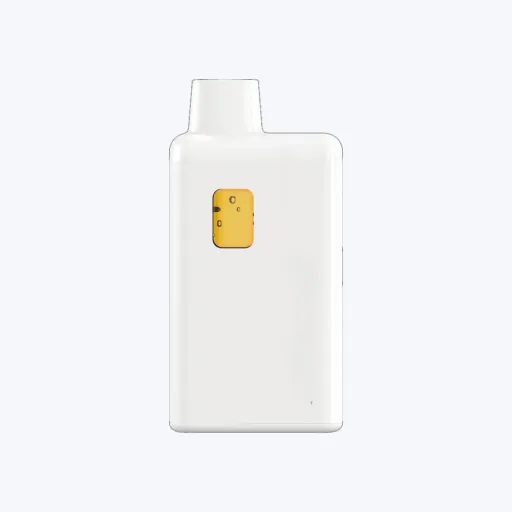
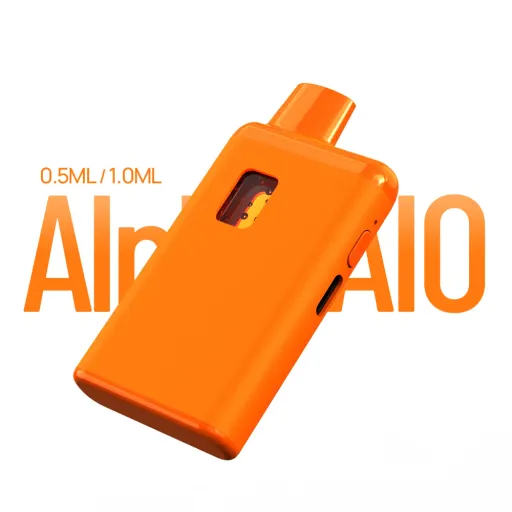
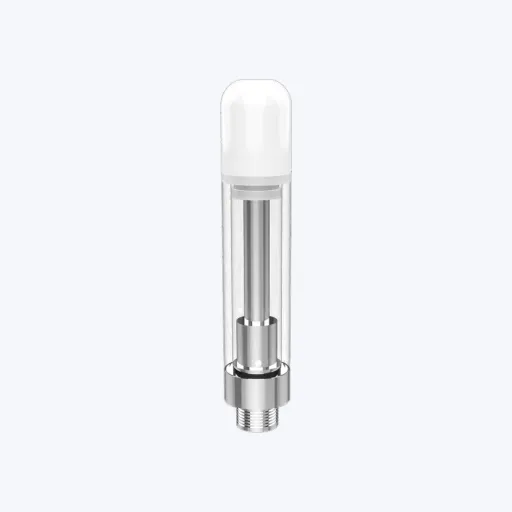
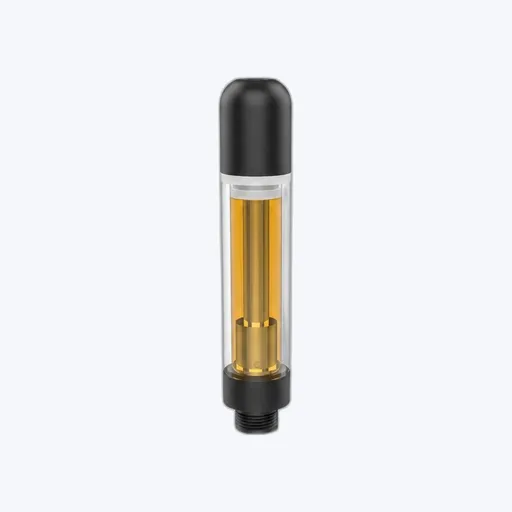
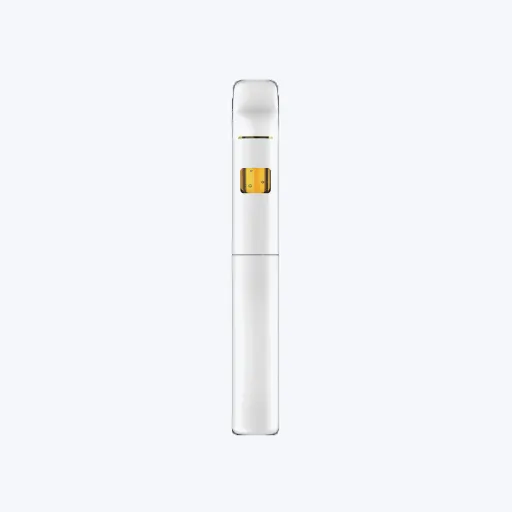
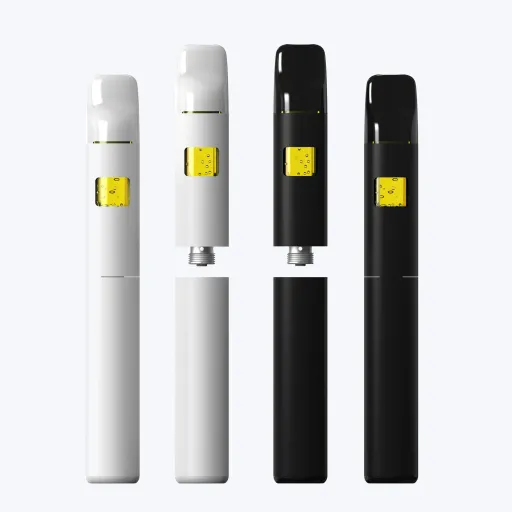
- Choose the hardware format. Decide between a
510 cartridge and battery kit, an
empty disposable, or a pod system. Pick one for launch. A second format
doubles your stockholding before you have any sell-through data to justify it. If you are undecided, work through
choosing your first SKU.
- Sample before you commit. Order samples of every shortlisted device and test them filled with
your actual product, not with water. Check draw resistance, leak behaviour after a week upright and inverted, coil
taste on the first pulls, and how the battery behaves at low charge. Keep the samples you approved.
- Collect the documentation pack. Request the EU Declaration of Conformity, RoHS and REACH
evidence, the battery datasheet and the UN38.3 transport report. Check that the model reference on each document
matches the device you sampled. CE, RoHS, REACH and EU Battery Regulation documentation is available on request,
with WEEE support, and the frameworks behind each are set out in the
EU compliance pillar.
- Complete the producer registrations. Register as a WEEE producer and for battery extended
producer responsibility in the launch market, and confirm who your EU responsible person is under the GPSR. These
are national registrations held by the brand. No factory can hold them for you, and they often take longer than
production.
- Choose the packaging format. Tube, box, pouch or tin, and child-resistant or not. Get the
dieline for the exact device dimensions before any design work starts. See
child-resistant packaging for vape products in Europe if CR
is in scope.
- Build artwork on the dieline. Place the fixed regulatory elements first, then the brand
elements around them, in every language the launch market requires.
What must appear on a vape device and its box lists what those
fixed elements usually are.
- Price the landed cost. Build a cost per unit that includes hardware, packaging, freight, duty,
filling, labour, wastage and registration fees. Set trade and retail prices from that number, not from the factory
quote. Wastage on a first fill run is real and is routinely left out.
- Place the first order. Order a volume you can sell in one season, not one you can afford in
one payment. Low MOQ starts from around 500 units with no container minimums, and made-to-order runs take around
six weeks, so a small first order buys real sell-through data cheaply.
- Set up reordering and change control. Record the exact specification you approved and require
written notice of any component change between runs. Track sell-through weekly from day one, so the reorder is a
calculation rather than a guess.
What usually goes wrong
Two failures account for most delays. The first is running the registrations last. They are administrative,
they feel postponable, and they gate the print run and the first legal sale. Start them at step 7 even if the
hardware decision is not final, because most of the information they need is about your business rather than the
device.
The second is over-ordering the first run. A first order is a test of a specification, a price point and a
market, and all three are guesses until stock moves. Buying twelve months of cover on a guess turns a wrong
assumption into dead capital in a warehouse.
FAQ
- How long does it take to launch a vape brand in Europe?
- The hardware is rarely the constraint. Branded production takes about 15 days, while national producer registrations, artwork approval and confirming the legal position of your fill usually take longer and can run in parallel. Start the registrations first, because they gate the print run.
- How many units should a first order be?
- Order a volume you can sell in one season rather than one you can afford in one payment. Low MOQ starts from around 500 units with no container minimums, which is enough to prove sell-through without committing capital to a specification you have not tested in the market.
- What do we have to register for before selling?
- As the business placing the product on the market you hold the national registrations: WEEE producer registration and battery extended producer responsibility in each country you sell in, plus a responsible person established in the EU under the GPSR. The factory holds the product-level evidence such as CE, RoHS, REACH and UN38.3.
Sources
Trade guidance for B2B buyers, not legal advice. We sell empty hardware only; you are responsible for the fill and for finished-product compliance in your market.