HardwareFor this job
By C. Chai, Empty Vapes Published 2026-08-20, last updated 2026-08-21. How we write these.
Vape packaging labelling requirements split cleanly in two: marks that follow the hardware as an electronic product, and information that follows the finished product you sell. Different owners, different timing.
An empty vape device carries two separate sets of information, and buyers who treat them as one set end up reprinting.
Hardware marks exist because the device is electrical and electronic equipment with a lithium cell inside. They are about the object: it is safe, it is recyclable, its battery is accounted for. These are stable across the EU and are largely settled at the factory, though the responsibility for them still sits with the party placing the product on the market.
Finished-product information exists because of what you did with the device after you bought it. Contents, warnings, age statements, batch identification and anything specific to what you filled. These vary by country and by substance, and they are entirely yours. Empty Vapes supplies hardware and its paperwork; the fill and the finished-product claims are the buyer's, as set out in the EU compliance pillar.
On the body of the device or its base, in durable print that survives handling:
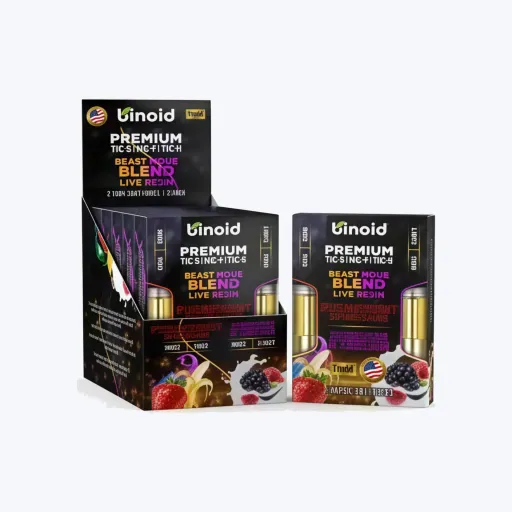
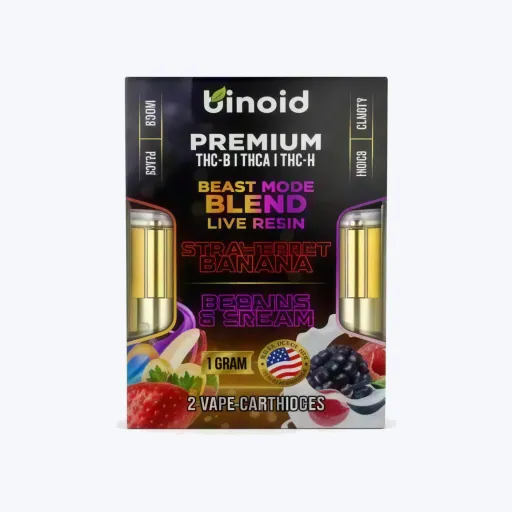
The box repeats the hardware marks where the device is too small, and then adds the commercial and traceability information that the device cannot carry.
| Element | Where it usually sits | Who is responsible |
|---|---|---|
| CE mark | Device, repeated on the box | The brand placing the product on the market signs the declaration; the factory supplies the technical file |
| WEEE bin symbol | Device, or the box if the device is too small | The brand, which also holds the national producer registration |
| Battery information | Device and box | The brand, using data supplied by the cell manufacturer |
| Producer and importer details | Box | The brand, never the overseas factory |
| Batch or serial reference | Box, and the device where space allows | Agreed with the factory, printed at production |
| Contents, warnings, age statements | Box and any insert | The brand, once the product is filled and finished |
Three failures repeat. The first is assuming the factory owns the marks. It does not. It supplies evidence. The registrations and the identification details are national and belong to whoever first sells the device in that country, so a factory cannot hold them on your behalf.
The second is designing artwork before the dieline exists. Regulatory elements are fixed in size and position in ways brand elements are not, so they go on the layout first. If you are also specifying child-resistant construction, read child-resistant packaging for vape products in Europe before artwork starts, because CR closures take print area away in predictable places.
The third is treating one country's rules as the region's. The EU frameworks are common, but registration and language are national, and anything touching what you fill is national too. Confirm each destination market before you print, and confirm it with a local specialist rather than with a supplier who wants the order.
Get the EU Declaration of Conformity and check that the model reference on it matches the device and the box. Get the battery datasheet. Register as a WEEE producer and for battery EPR in every country you will sell in, and have those numbers before artwork closes if your market expects them displayed. Decide who the EU responsible person is and print their real address. Then produce the packaging on the same run as the hardware, through the packaging range, so the marks and the branding land together rather than in two production cycles with a delay between them.
Trade guidance for B2B buyers, not legal advice. We sell empty hardware only; you are responsible for the fill and for finished-product compliance in your market.
Browse the range in the shop. Full specs, trade pricing after a free account, and CE and compliance docs on request.
Browse the catalogueGive us the hardware, the quantity and the market. We reply with a price, a specification and a lead time. A request for a quote is not an order.
Empty hardware only. No cannabinoids and no e-liquid. We sell to companies only.