HardwareFor this job
By the Empty Vapes trade desk. Published 2026-08-20, last updated 2026-08-20. How we write these.
A first vape SKU is a test, not a statement. It has to prove that a format sells, at a price, to a buyer you can reach again. Everything else can wait for the second order.
A first SKU is really two choices, and people usually take them in the wrong order. The first is format: cartridge, disposable or pod. The second is finish: how far you customise the device you chose. Format is driven by your customer. Finish is driven by your budget and your appetite for risk. Deciding finish first is how brands end up with a beautifully branded device in a format their buyers do not want.
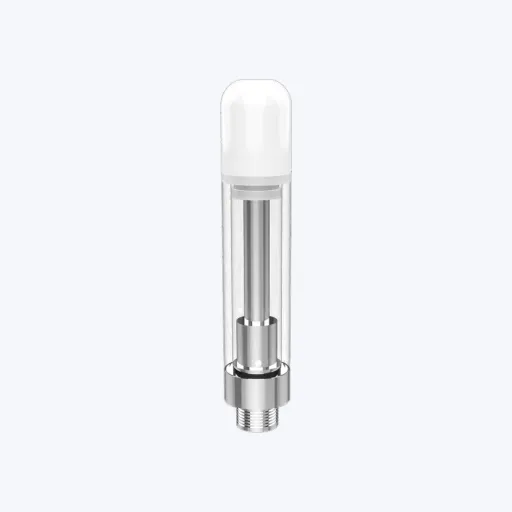
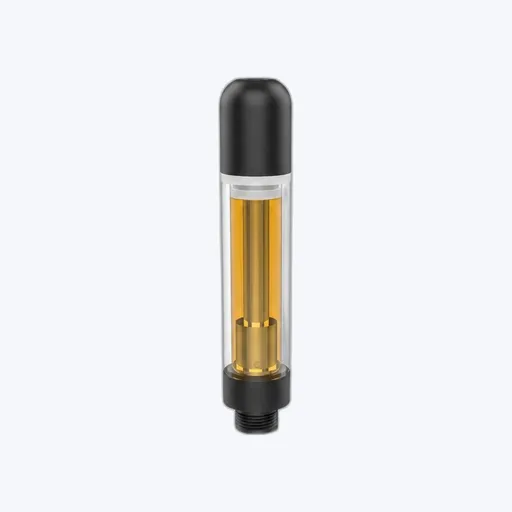
A 510 cartridge suits a customer who already owns a battery. Unit cost is low, repurchase is frequent, and the open 510 standard means you are not locked to one supplier. The trade-off is that you are selling into an accessory habit, so brand loyalty is weaker.
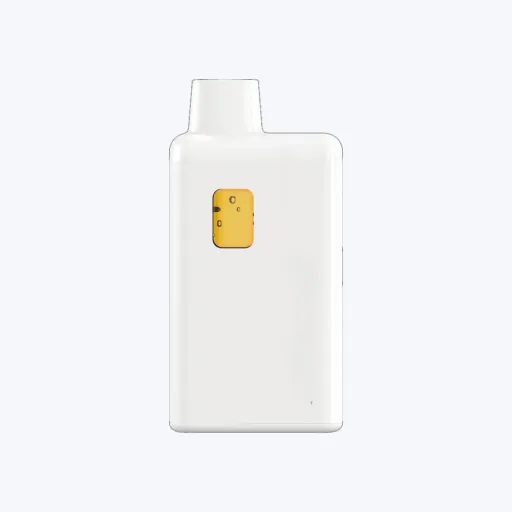
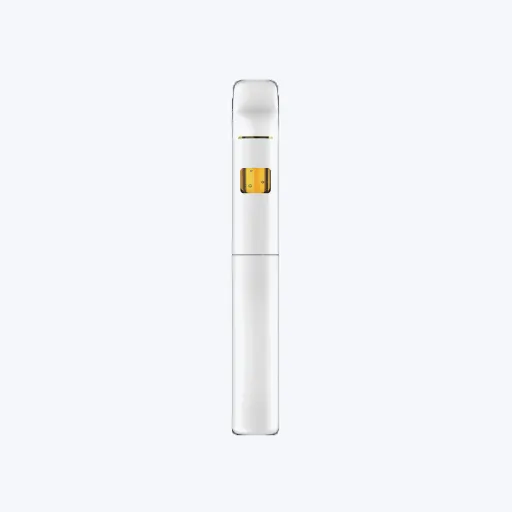
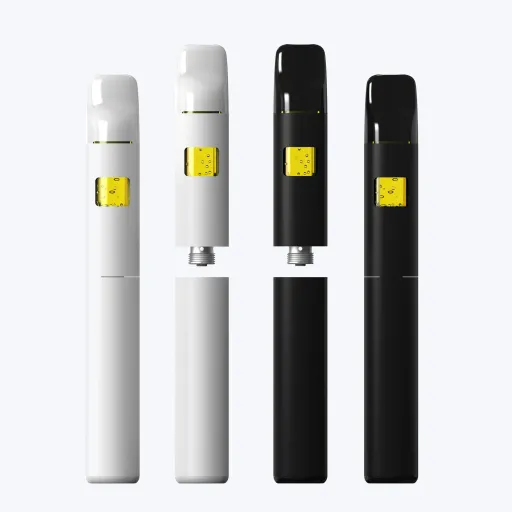
An empty disposable suits impulse purchase and gifting. Nothing to explain at the counter, no battery to own. The trade-off is a higher cost per unit, a shorter product life and a heavier end-of-life story to answer for.
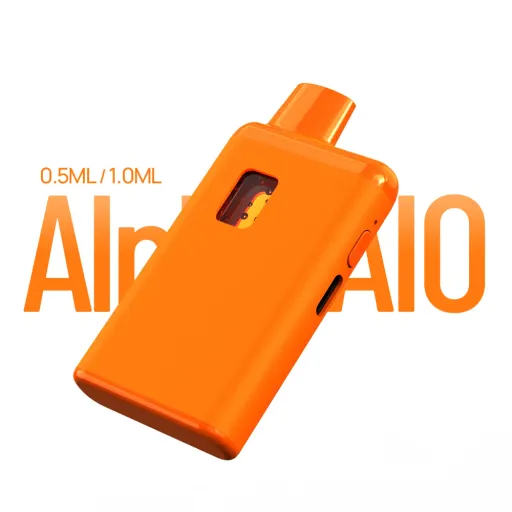
A pod system suits a customer base you intend to keep, because the device sells the refills. The trade-off is real: proprietary pods tie you to one supplier's consumable, and if that supply changes you have stranded your installed base.
Once the format is settled, there are three ways to bring it to market. They differ mostly in how much you commit before you know anything.
| Stock device, printed wrap | Stock device, custom packaging | Custom OEM device | |
|---|---|---|---|
| Capital required | Lowest. Hardware plus a label run | Moderate. Adds a dieline, print plates and a packaging minimum | Highest. Tooling and setup before a single unit ships |
| Speed to market | Fastest. Stock hardware plus artwork turnaround | Slower. Packaging production has to be scheduled with the device | Slowest. Made-to-order runs take around six weeks before packaging |
| Brand differentiation | Low. The device is recognisably standard | Medium. The pack does the work, and on a shelf the pack is what buyers see | High. The object itself is yours |
| Reorder risk | Low. Change the label, keep the hardware | Medium. A device change means new dielines and new artwork | High. The tooling is committed, so a specification change is expensive |
| Use it when | You are proving a format and a price | You have sell-through data and need shelf presence | Volume is proven and the device itself is the differentiator |
For most first launches the stock device with a printed wrap is the lower-risk start, for one reason: it keeps the expensive decisions open. You find out whether the format sells, what price the market accepts and how fast it repurchases, before you have paid for tooling that assumes the answers.
Say the honest downside too. A wrapped stock device looks like a wrapped stock device, and a buyer who has seen five of them will notice. If your entire proposition is that the hardware is different, this route will not carry it. But most first-time vape brands are not differentiated by hardware. They are differentiated by what they fill, who they sell to and how the product is presented, and a printed wrap plus good packaging carries all three.
The practical middle path is a stock device with a wrap for the first run, and custom packaging for the second once you know the format works. Low MOQ starts from around 500 units with no container minimums, which makes that first run small enough to be a genuine test rather than a commitment.
Track those four from day one. A first order that arrives, sells out and teaches you nothing is a worse outcome than one that sells slowly and tells you why.
One device, one configuration. Every extra variant splits the same demand across more stock, weakens your price position with the factory, and makes the sell-through data harder to read. Two colourways at launch feels like choice and behaves like halved velocity on both.
Before you place the order, confirm the documentation and the registrations. Product-level evidence such as CE, RoHS, REACH and EU Battery Regulation documentation is available on request, with WEEE support, but the national producer registrations are yours as the business placing the product on the market. The EU compliance pillar sets out which is which, and the launch checklist for a vape brand in Europe puts the SKU decision in its place in the wider sequence.
Trade guidance for B2B buyers, not legal advice. We sell empty hardware only; you are responsible for the fill and for finished-product compliance in your market.
Browse the range in the shop. Full specs, trade pricing after a free account, and CE and compliance docs on request.
Browse the catalogueGive us the hardware, the quantity and the market. We reply with a price, a specification and a lead time. A request for a quote is not an order.
Empty hardware only. No cannabinoids and no e-liquid. We sell to companies only.