Pod leak paths and how they differ from cartridges
By the Empty Vapes trade desk. Published 2026-08-21, last updated 2026-08-21. How we write these.
A pod and a 510 cartridge hold liquid in different shapes, seal it with different parts, and fail in different places. Diagnosing a pod with a cartridge checklist finds the wrong path, and misses the one that kills the device.
A pod is not a cartridge in a different case
A 510 cartridge is a closed tube. Liquid sits around a central chimney, the coil is fed through intake holes at the base, and the whole thing is sealed at two ends and threaded onto a battery from outside. The cartridge leak guide works through those causes.
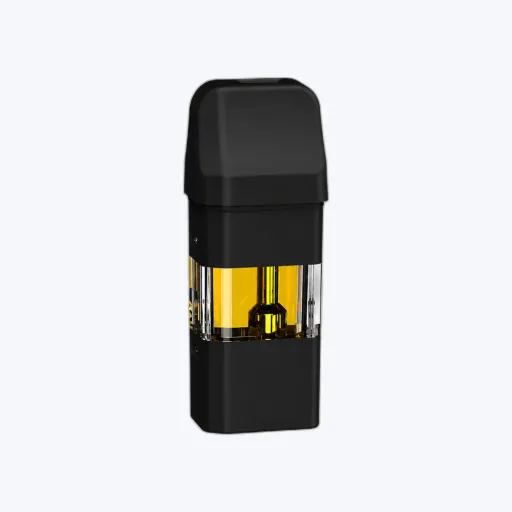
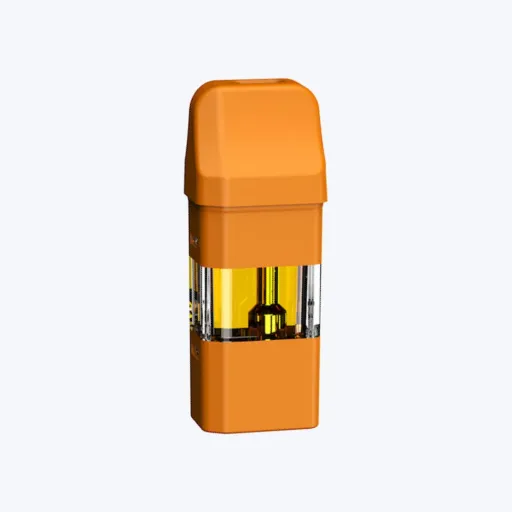
A pod is a wider, flatter reservoir that drops into an open bay in a device, and it adds interfaces that a cartridge does not have:
A fill port with a plug, on any refillable pod. A cartridge is filled through its open top before the mouthpiece is fitted, so it has no plug to fail.
An air channel beside the reservoir rather than a chimney through the middle of it, usually sealed with a silicone sleeve or an over-moulded part.
An electrical pass-through, where the coil leads leave the wet side of the pod and reach contacts on the dry side.
A body joint. Most pods are two moulded parts welded, bonded or clipped together, so there is a seam all the way around the reservoir. A cartridge tube usually has none.
Repeated fitting. A pod is pulled out and pushed back many times over its life. A cartridge is threaded on once.
More sealing perimeter, more interfaces, more handling cycles. That is enough to make the failure pattern unrecognisable to anyone working from a cartridge checklist.
The leak paths compared
Pod leak paths against 510 cartridge leak paths
Path
On a pod
On a 510 cartridge
What you see in the field
Fill port plug
Present on every refillable pod, and the most common single path
None, the tank is filled before the top goes on
Liquid pooling around the fill face, worse after the pod has been carried on its side
Top or mouthpiece seal
Usually a moulded top welded or clipped to the body, with a gasket
A separate press-fit or screw-on mouthpiece
Liquid at the lip on the first draw of the day
Airway seal
A channel beside the reservoir, sealed along its length
A central chimney sealed at the base
Liquid pulled into the mouth, or a gurgle on the draw
Coil feed into the wick
Feed slots sized to the liquid
Intake holes sized to the oil
A flooded coil, a wet or burnt draw, weeping when warm
Electrical pass-through
Present, and it opens into the device bay
No equivalent, the 510 base sits on the outside
A device that stops working, with residue or corrosion at the contacts
Body joint or seam
A weld, bond or clip line around the reservoir
Usually none, the tube is a single part
A wet line along one seam, most often after air freight
Connection to the device
A dry seat, so no seal is involved
A 510 thread, and over-tightening crushes the base seal
On a cartridge, liquid running down the thread onto the battery
Handling cycles
Every removal and refit works the plug and the sealing faces
Fitted once, then left
A pod that was fine for a week and starts weeping in the second
The one that only pods have
A cartridge leaks outwards and you see it. A pod can leak inwards, through the pass-through or the seam, into the bay where the contacts and the board sit. Three things follow.
It is invisible until it is expensive. The customer reports a device that will not fire, not a device that is wet. By then the residue has been sitting on plated contacts and raising contact resistance, which reads exactly like a connection fault. The pod connection guide covers how to separate the two.
It takes out the expensive half. A leaking cartridge costs a cartridge. A flooded bay can cost the device.
It hides the rate. Returns come back described as dead batteries, so the leak never appears in your leak statistics. If you are seeing dead devices, open the bay before you accept the description.
The diagnostic, in order
Ten steps. The order matters: the first two do not survive being done out of sequence.
Record which surface is wet, and the fill level, before you wipe anything. Wiping first destroys the only evidence that tells you which path the liquid took.
Remove the pod and inspect the device bay. Residue in the bay points at the pass-through or the seam, not at the mouthpiece, and it changes the priority because the electronics are involved.
Check the fill plug. The correct plug, seated flush and not proud, undamaged, and not fitted over a wetted sealing face.
Wipe the pod dry, note the time, and stand it upright on clean paper for a period you fix in advance. A continuous leak and a conditional one are different faults.
Repeat the same test on its side, and inverted if the design allows. Many pod leaks appear in one orientation only, and only this step finds them.
Repeat with the pod fitted to a device and not fired. If it leaks only when fitted, the bay is loading the pod body and deforming a sealing face.
Fire it and watch the mouthpiece and airway. Liquid arriving at the lip on the draw points at the airway seal or the coil feed rather than the outer body.
Run a reference pod alongside it, filled at the same time with the same liquid and kept under the same conditions. One variable at a time.
Test a pod filled below the stated level. If underfilling stops it, you have a headspace and pressure problem, and the fix is a fill instruction rather than a hardware change.
Record the batch code and count the rate across cartons. One leaking pod is an anecdote. The same leak at a measurable rate is a batch decision, and only if the numbers were written down.
What drives a leak that was not there yesterday
Most reported pod leaks are not manufacturing defects. They are the same hardware meeting a condition it was not tested against.
Pressure difference. Air trapped above the liquid expands when it warms and pushes liquid out through whichever path offers least resistance. Lower outside pressure in an aircraft hold does the same from the other side, which is why leaks turn up after transport and after a hot vehicle.
Overfilling and filling technique. No headspace means nowhere for that expansion to go, and liquid that went down the airway during filling looks like a leak an hour later. See filling problems.
Liquid viscosity. A thin liquid finds paths a thick oil never reaches, so a pod that passed with one fill can fail with another.
Temperature. Warm liquid is thinner as well as expanded, so heat works twice. Cold has its own effects, in the cold flow guide.
Manufacturing variation. Flash on a sealing face, a weld line that ran cool, a gasket sitting off position. Real, and identifiable, because it clusters by batch rather than by customer.
Designing it out and what to specify
How the pod body is closed. Welded, bonded or clipped, and what seals the joint. It decides whether the seam is a leak path.
The barrier between the wet side and the bay. Ask whether there is anything between the pass-through and the electronics, and whether the bay drains. A device that channels a leak away from the board survives a fault that kills one that does not.
The fill plug specification, and a spare plug allowance. Plugs get lost and refitted badly. Spares cost very little and prevent a return.
The factory leak test, in full. Which liquid, at what fill level, in which orientations, for how long, and at what pressure. The liquid matters most, because a water test does not predict how your fill behaves.
A recommended fill level, stated as a level and not as a volume. The customer sees a line, not a millilitre figure.
Samples tested with your own liquid. Fill, seal, and put them through a transport simulation before you commit. The refillable pod systems guide covers what else to check at that stage, and battery life against pod size covers the other half of the specification.
Stock pod systems start from around 500 units with no container minimum, and branded runs take about 15 days after sign-off, which leaves room to sample and leak-test a shortlist first. CE, RoHS, REACH and EU Battery Regulation documentation is available on request and WEEE support is available; the market registrations stay with whoever places the finished product on the market. See compliance.
FAQ
Why does a pod leak after shipping but not on the bench?
Because a bench test usually holds the pod still, upright and at room temperature, and transport does none of those things. Warm air in the headspace expands and pushes liquid out through whichever path offers least resistance, lower outside pressure in an aircraft hold does the same thing from the other direction, and vibration keeps liquid moving against seals that are only tight when still. A pod that passes on a shelf and fails in a van has usually met a pressure difference rather than a defective seal.
How is a pod leak different from a cartridge leak?
A 510 cartridge leaks outwards, down the thread onto the battery or out of the mouthpiece, and you see it. A pod has an extra path that a cartridge does not have: the electrical pass-through into the device bay. Liquid that takes that route reaches the contacts and the board, and the first symptom is often a device that stops working rather than anything visibly wet. A refillable pod also has a fill port with a plug, which a factory-filled cartridge does not.
Can a device be recovered after liquid gets into the bay?
Sometimes, and it depends on how far it went and how long it sat. Remove the pod, do not charge or fire the device, and clean the bay and the contacts with a lint-free swab and isopropyl alcohol, letting it dry completely before power is reapplied. If the contacts are already corroded or the residue reached the board, treat it as scrap. Record the batch code either way, because a bay flooding at any measurable rate is a design or a batch problem rather than a user one.
Trade guidance for B2B buyers, not legal advice. We sell empty hardware only; you are responsible for the fill and for finished-product compliance in your market.
Source the hardware behind this guide
Browse the range in the shop, full specs, trade pricing after a free account, and CE and compliance docs on request.