HardwareFor this job
By the Empty Vapes trade desk. Published 2026-08-21, last updated 2026-08-21. How we write these.
The Tobacco Products Directive is built around nicotine. That single fact decides most of what follows, but not all of it, and the exceptions are where buyers get hurt.
The Tobacco Products Directive (2014/40/EU) covers tobacco products and, in a separate set of provisions, electronic cigarettes and refill containers. Those provisions are constructed around nicotine. They require the party placing such a product on the market to notify it in advance through the EU Common Entry Gate (EU-CEG), to report ingredients and emissions, to meet packaging, labelling and health-warning rules, and to observe limits the directive sets on nicotine concentration and on the volume of tanks and refill containers.
Two practical notes before anything else. First, the notification is made in advance of placing the product on the market, and the procedure, the fees and the competent authority differ by member state. Confirm the period and the process with the authority for your market rather than assuming a single EU procedure. Second, the TPD sets a floor rather than a ceiling. Member states may and do go further, including on flavours, advertising and product presentation, so the same finished product can be lawful in one market and not in another.
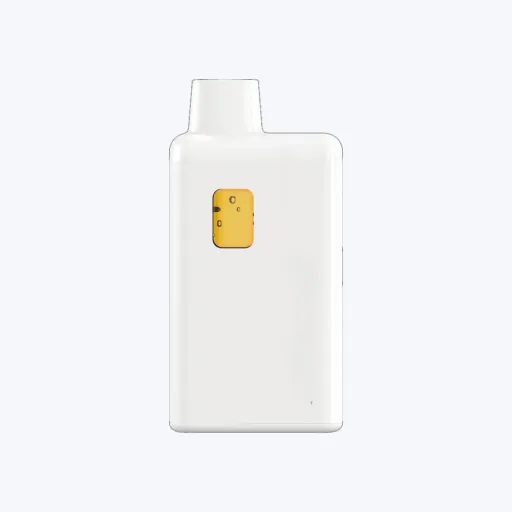
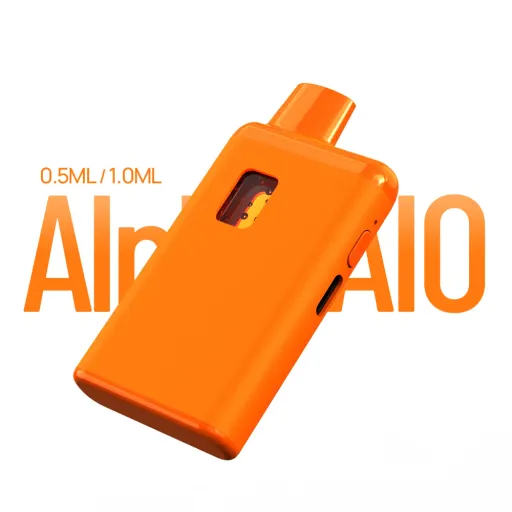
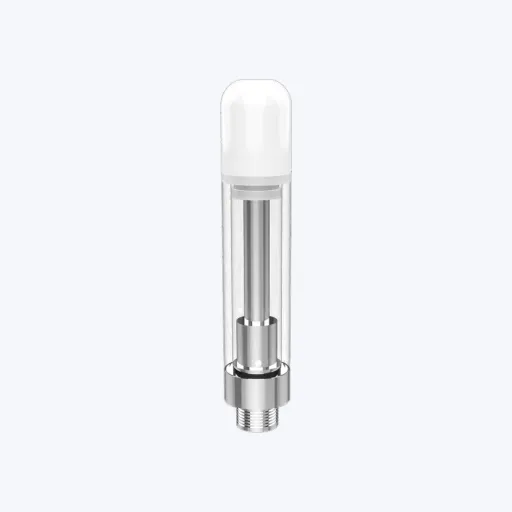
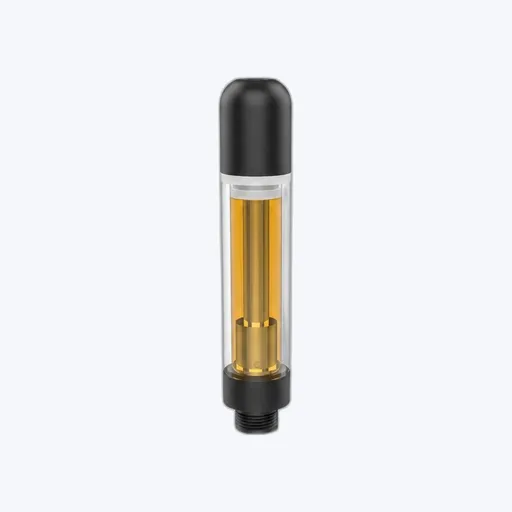
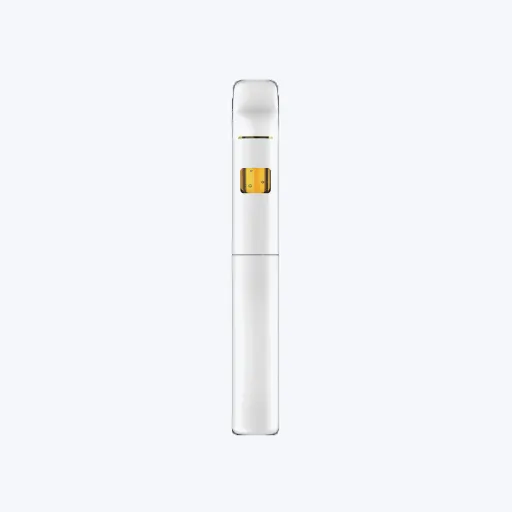
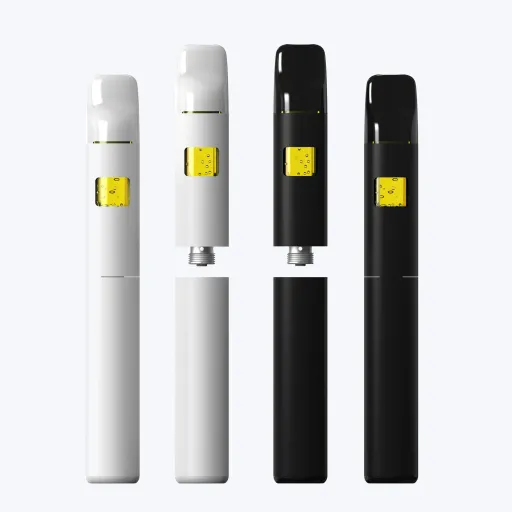
Hardware that ships empty contains no nicotine, no e-liquid and no pre-filled pod. It is not a nicotine product, so it is not a product that has to be notified through EU-CEG in its own right, and the ingredient reporting, emission reporting and health-warning duties have nothing to attach to. In EU law it is an electronic device with a built-in battery or a component of one, and it is regulated as such. That is the position set out on our EU compliance pillar, and it is why an empty cartridge, an empty disposable or a bare battery moves under CE, RoHS, WEEE, REACH and the EU Battery Regulation rather than under tobacco law.
A bare 510 battery or a mod, sold with no tank and no liquid, is the clearest case of all. There is no vapour path, no reservoir and nothing to consume.
Here is the part that is usually left out, and it is the reason to read this section rather than skip to the table. The TPD does not only define a finished electronic cigarette. Its definition extends to components of one, and member states transposed that language into national law and enforce it in their own way. So the question is not purely mechanical. It also turns on how the product is presented and what it is supplied for.
The practical consequences are these. Identical hardware can be treated differently depending on whether it is marketed as part of a nicotine vaping system or supplied empty to a business that will fill it with something that is not nicotine. Marketing copy, category placement, bundling with e-liquid and consumer-facing sale all push a product towards the tobacco-law reading. Trade supply of empty components for a non-nicotine fill does not. And nicotine-free is not a magic word: several member states have extended national rules to nicotine-free vaping products, with different scope in each. Confirm the position for every market you sell into rather than reasoning from the directive alone.
The commercial takeaway is simple. Keep the hardware empty, keep the presentation trade-facing, and do not let marketing describe an empty device as a nicotine product.
| Scenario | TPD product? | Who carries the obligation | What applies instead or as well |
|---|---|---|---|
| Empty 510 cartridge supplied B2B for a non-nicotine fill | No | Nobody, for the hardware | CE, RoHS, REACH, WEEE, Battery Regulation where a cell is present |
| Bare 510 battery, no tank, no liquid | No | Nobody, for the hardware | CE, RoHS, WEEE, Battery Regulation, UN38.3 in transport |
| Empty disposable or empty pod supplied B2B | No | Nobody, for the hardware | Same electronics and battery frameworks as above |
| Empty hardware marketed to consumers as a nicotine vaping product | Treat as in scope | The party placing it on the market | National transposition decides. Confirm per market before selling |
| Hardware you fill with nicotine e-liquid | Yes | You, as the party placing the filled product on the market | EU-CEG notification, ingredient and emission reporting, labelling, TPD limits |
| Hardware filled with a non-nicotine cannabinoid extract | No | You, but under other law | National controlled-substance, food, novel food or medicines rules. Varies by state |
| Hardware filled with nicotine-free flavoured liquid | Outside the TPD provisions | You, where national rules extend | National rules on nicotine-free products, which differ by member state |
Nothing about the TPD position removes the electronics obligations, and those are the ones that actually govern your first order. The device needs a CE mark backed by an EU Declaration of Conformity and a technical file. RoHS 2011/65/EU and REACH 1907/2006 evidence sits behind it. WEEE 2012/19/EU and the EU Battery Regulation 2023/1542 bring national producer registrations that repeat in every market you sell into, and being established somewhere in the EU is not the same as being registered in each of those markets. GPSR 2023/988 requires a responsible person in the EU holding the documentation. UN38.3 governs whether the lithium cell can be transported at all.
The manufacturer draws up and signs the declaration, and putting your own brand on a device makes you the manufacturer in EU law, so the declaration and the technical file become yours. Registration details differ by country. See WEEE registration for vape brands for the mechanics, and vape compliance in Germany for a worked national example.
This page is general guidance for trade buyers and is not legal advice. National transposition of the TPD differs, and the rules that govern what you fill are national. Confirm your position in each market with a qualified specialist before placing a product on the market or making a compliance claim.
Trade guidance for B2B buyers, not legal advice. We sell empty hardware only; you are responsible for the fill and for finished-product compliance in your market.
Browse the range in the shop, full specs, trade pricing after a free account, and CE and compliance docs on request.
Browse the catalogueGive us the hardware, the quantity and the market. We reply with a price, a specification and a lead time. A request for a quote is not an order.
Empty hardware only. No cannabinoids and no e-liquid. We sell to companies only.