HardwareFor this job
By the Empty Vapes trade desk. Published 2026-08-20, last updated 2026-08-20. How we write these.
The difference is structural, not cosmetic. One design routes air and oil through a column in the middle of the tank; the other removes the column and moves the whole job into a base that goes in after filling.
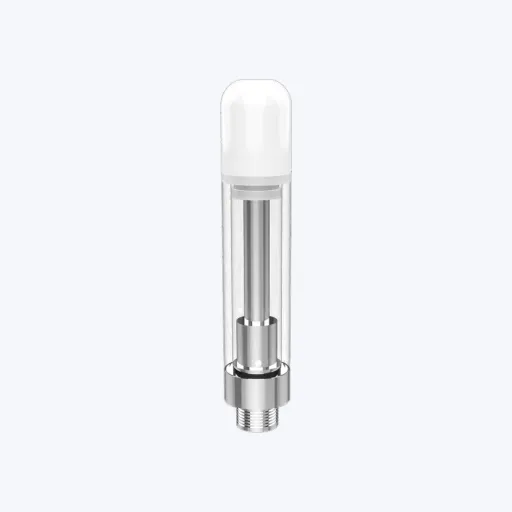
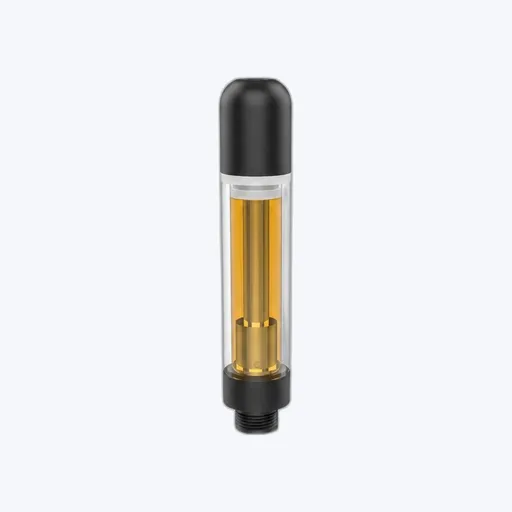
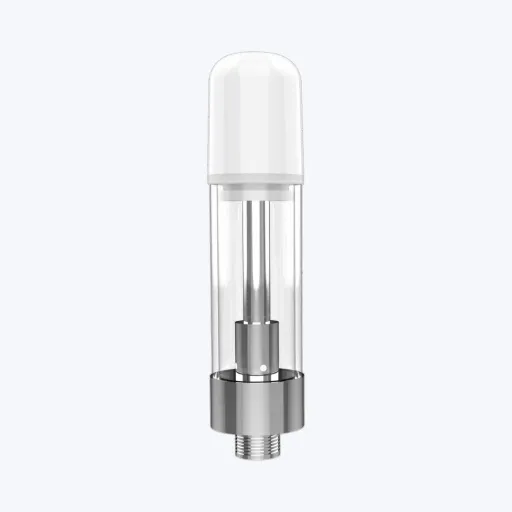
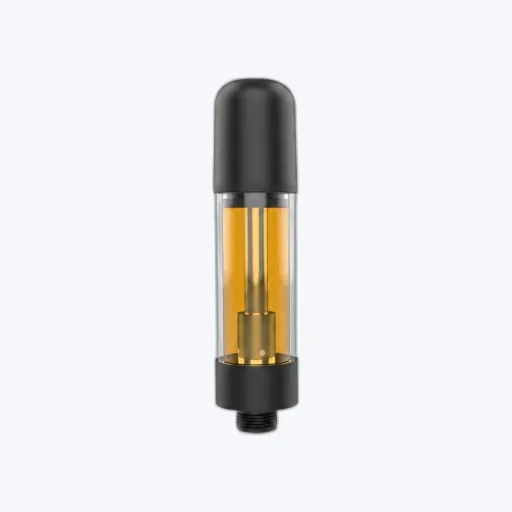
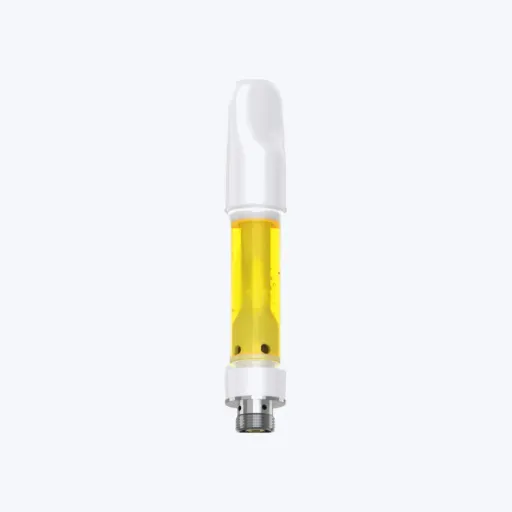
In a conventional 510 cartridge, a column runs up the middle of the tank from the base to the mouthpiece. That column, called the post or the pillar, does three jobs at once. It carries the airpath from the heating chamber to the mouth. It holds the intake holes that let oil cross from the tank into the core. And it gives the assembly its structure, since the base, the post and the mouthpiece are joined into one sealed body at the factory.
Because the post occupies the centre, the tank is an annulus rather than a cylinder. Oil is dispensed from the top into that ring-shaped gap, around the post, and the filler works with a needle narrow enough to enter it. Terminology varies between suppliers, and "pillar", "post" and "centre post" are usually the same architecture described three ways.
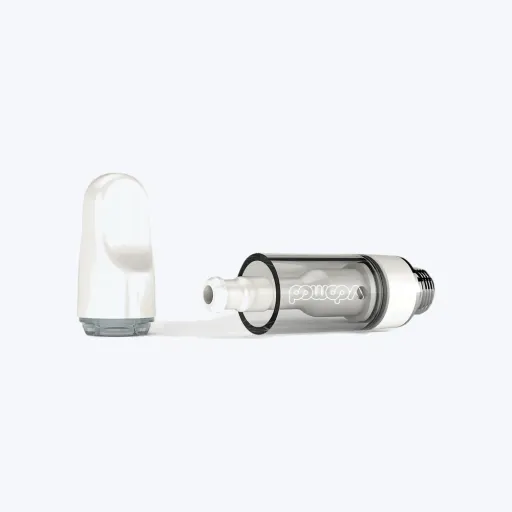
A postless cartridge deletes the column. The tank is a clear open cylinder with nothing in the middle. Everything the post used to do is moved into a separate base assembly that holds the element, the core and the airpath. The cartridge is shipped as two parts. The filler dispenses oil into the open body, then presses or screws the base in from the bottom, which seals the tank and completes the airpath in one operation.
That inversion is the whole design. It buys a wide, unobstructed fill opening and removes the annular gap, and it costs an extra assembly step performed outside the factory, under your process control rather than the manufacturer's.
| Pillar / post | Postless | |
|---|---|---|
| Tank shape | Annular, around a central column | Open cylinder, nothing in the middle |
| Fill direction | From the top, through the mouthpiece end | From the bottom, into the open body |
| Fill speed with thick oil | Slower, limited by the annular gap | Faster, wide bore, no obstruction |
| Trapped air | More likely along the post wall | Less likely, oil falls into a plain bore |
| Assembly after filling | None, ships assembled | Base insertion, done by you |
| Main leak path | Intake holes and mouthpiece seal | Base-to-body seal |
| Sensitivity to process | Mostly fill volume and temperature | Fill volume plus insertion depth and alignment |
| Usual fit | Distillate at volume with simple equipment | Thick extracts and automated lines |
With a pillar cartridge the fill is the only critical step. A narrow needle enters the annulus, oil goes in, the unit is capped, and the mouthpiece seal does the rest. Thick oil slows this down because the gap is narrow, and if the oil is not warm enough it will bridge across the top and trap air below.
With a postless cartridge the fill is easy and the insertion is the critical step. The base must go in square, to the correct depth, with a clean sealing face. Oil on that face before insertion is a common cause of units that pass inspection and then weep in the box a week later. Automated presses handle this well. Hand assembly needs a jig and a trained operator. The practical procedure for both is set out in how to fill a 510 cartridge.
A pillar cartridge has more seals but each one is small and factory-made. Oil escapes either through the intake holes into the heating chamber and then up the airpath, or past the mouthpiece seal if the tank is overfilled and the oil expands. Both are usually fixed by correcting fill volume or intake size rather than by changing hardware, which is why intake hole size is worth settling before you blame the architecture.
A postless cartridge has fewer seals but one of them is large and is made on your line. A single O-ring or press fit of full tank diameter has to hold against warm oil and against pressure changes in transit. When it fails it fails completely, and it fails at the base rather than the mouth, so the leak shows up on the battery connection and the packaging. The broader diagnosis is in why vape cartridges leak.
If you fill distillate at volume with modest equipment and no assembly station, a pillar design removes a step you would otherwise have to control. If you fill live resin or rosin, or you already run an automated press, postless removes the bottleneck that thick oil creates in an annular tank. Neither choice is free of trade-offs, and neither is recoverable cheaply once you have printed packaging around it, so run both on a trial batch first. MOQ starts at around 500 units, branded runs take about 15 days, and CE, RoHS, REACH and EU Battery Regulation documentation is available on request. See compliance for what we supply and what remains your obligation as the party placing the filled product on the market.
Trade guidance for B2B buyers, not legal advice. We sell empty hardware only; you are responsible for the fill and for finished-product compliance in your market.
Browse the range in the shop, full specs, trade pricing after a free account, and CE and compliance docs on request.
Browse the catalogueGive us the hardware, the quantity and the market. We reply with a price, a specification and a lead time. A request for a quote is not an order.
Empty hardware only. No cannabinoids and no e-liquid. We sell to companies only.