HardwareFor this job
By the Empty Vapes trade desk. Published 2026-08-21, last updated 2026-08-21. How we write these.
510 cartridge capacity is the only hardware spec that sets your retail price before anything else about the product is decided. It is worth choosing deliberately rather than defaulting to whatever the supplier lists first.
Capacity is a tank volume, and it decides four things at once. It sets how much oil sits in each unit, which sets your cost of goods. It sets the shelf price a customer sees. It sets how long the customer holds the product before buying again. And it sets how many units you have to move to clear a fill batch.
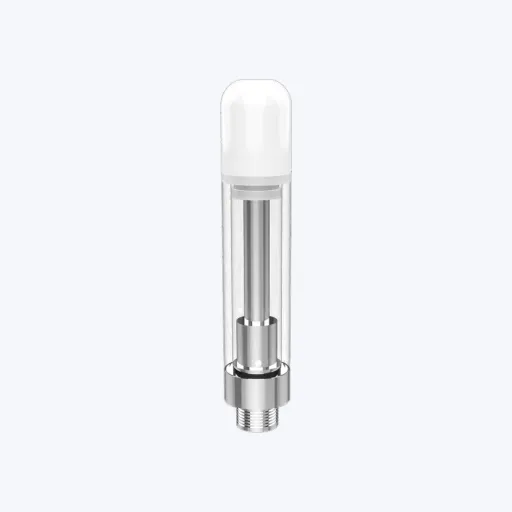
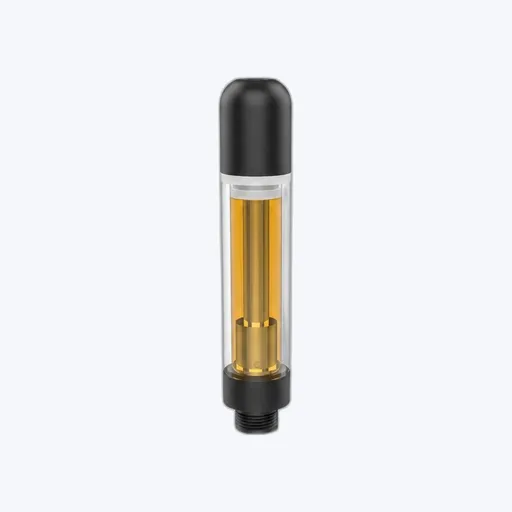
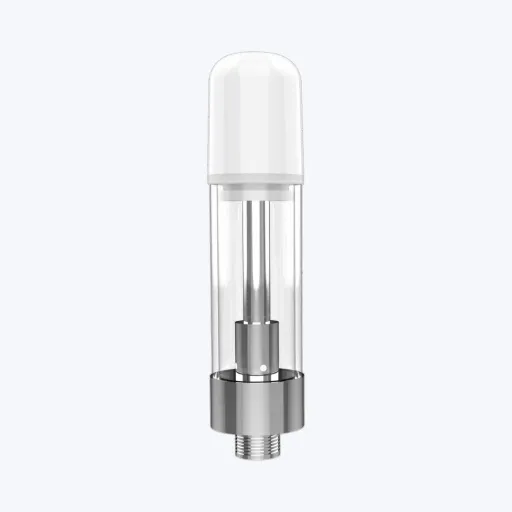
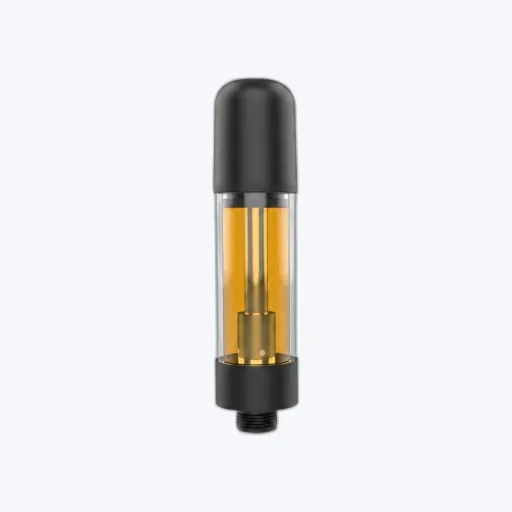
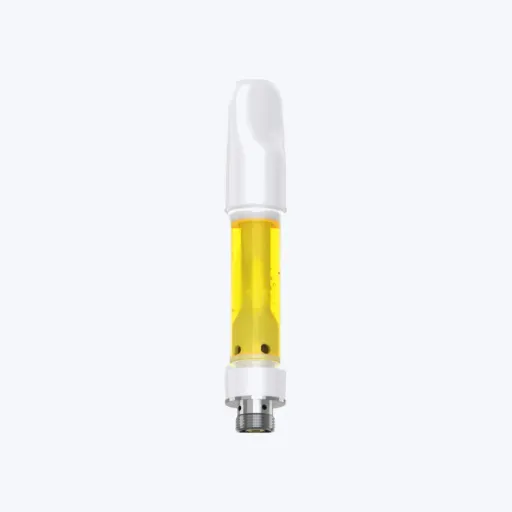
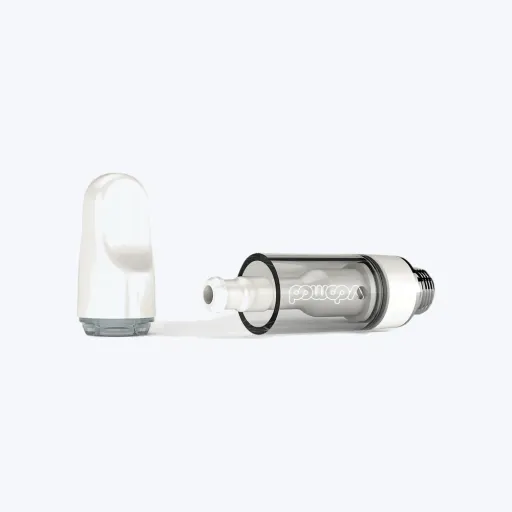
Everything else about the cartridge is roughly constant across sizes. The same core, the same seals, the same 510 thread, usually the same mouthpiece. Suppliers publish the sizes as options within one product family for exactly that reason. CCELL lists 0.5 ml and 1 ml across most of its cartridge lines, with 0.3 ml on some slim bodies and 1 ml, 2 ml and 3 ml on its larger Tank format. Nextvapor lists 0.5 mL, 1.0 mL and 2.0 mL across most of its disposable range. Those are their published option sets, not a rule about the category.
| Spec | 0.5 ml | 1.0 ml | 2.0 ml |
|---|---|---|---|
| Role in a range | Entry point, trial size, sampler pack | The volume most buyers recognise as standard | Value tier or premium refill for repeat customers |
| Shelf price | Lowest. Gets a first-time buyer over the line | Mid. Anchors the range | Highest single ticket. Filters out casual buyers |
| Hardware cost per ml of fill | Highest. One full set of components per half millilitre | Middle | Lowest. One component set carries twice the oil of a 1.0 ml |
| Stock value per unit | Lowest. A slow flavour ties up little capital | Middle | Highest. A flavour that does not sell is expensive to hold |
| Repurchase interval | Short. More frequent contact with the customer | Medium | Long. Fewer repeat occasions per customer per year |
| Oil age at last draw | Shortest exposure. Terpene profile holds better to the end | Medium | Longest. The final draws come from oil that has sat in a warm tank for weeks |
| Body length | Shortest. Suits slim packaging and pocket formats | Standard for most cartons and inserts | Longer or wider body. Frequently needs its own carton and insert |
| Fit with a new flavour launch | Low risk. Cheap way to test demand | Workable | Higher risk. Commits capital before demand is known |
0.5 ml buys trial. Its job is to lower the price of finding out whether a customer likes the product. That is worth paying for, and you do pay: the hardware cost per millilitre of oil is roughly double the 1.0 ml, so the margin is thinner unless the retail price reflects it. It also brings the customer back sooner, which is a benefit if your distribution is good and a problem if it is not, because a customer who cannot find the product on the second visit buys someone else's.
1.0 ml is the reference point. Most price comparisons happen at this size, which means it is where you are judged against competitors and where a badly chosen cost base is most visible. It is also the safest size for a first SKU, because the packaging, the inserts and the shipping cases are the ones your suppliers already run.
2.0 ml sells to people who already decided. The larger size works when a customer has bought before and is now buying on cost per millilitre rather than on curiosity. It carries two real drawbacks. Capital sits in each unit, so an unsold flavour hurts more, and the oil at the bottom of the tank has been through more heat cycles by the time it is drawn, which shows up as a flatter taste on the last quarter. That is a genuine trade-off rather than a marketing point.
The Tobacco Products Directive caps a refillable nicotine e-cigarette tank at 2 ml. That limit is a large part of why 2 ml appears as an upper bound across European hardware ranges even on products the directive does not cover. It is a rule about the finished, filled product rather than about the empty tank, so it does not stop you buying a larger format, and it does not automatically apply to a product with no nicotine in it.
What it does mean is that the capacity decision is not purely commercial. Confirm with your responsible person which rules apply to what you intend to fill, in each market you intend to sell in, before you place a hardware order that assumes a size. See compliance for how those duties are split between us and you.
All three capacities are available across the 510 cartridge range, from around 500 units with no container minimum on stock lines and around six weeks on a made to order run.
Trade guidance for B2B buyers, not legal advice. We sell empty hardware only; you are responsible for the fill and for finished-product compliance in your market.
Browse the range in the shop, full specs, trade pricing after a free account, and CE and compliance docs on request.
Browse the catalogueGive us the hardware, the quantity and the market. We reply with a price, a specification and a lead time. A request for a quote is not an order.
Empty hardware only. No cannabinoids and no e-liquid. We sell to companies only.