By the Empty Vapes trade desk. Published 2026-08-20, last updated 2026-08-20. How we write these.
A white-label brief is the document a factory quotes against and builds from. Here is what belongs in one, in the order each item needs to be decided.
What a white-label brief has to do
A white label vape brief is the document a factory quotes against. Anything it does not specify becomes a decision someone else makes, usually on the line, usually at the point where changing it costs the most. Most disputes on a first branded run trace back to one line that was never written: a colour described in words, a logo supplied as a screenshot, a box assumed to be child-resistant.
The sequence below works for a laser-etched 510 cartridge, a printed empty disposable or a full pod system, because each step locks something the next step depends on.
What to specify, in order
Base device. Name the exact SKU from the catalogue, not a category. Capacity, coil type, intake hole size, mouthpiece style, battery capacity and charging port all belong here. If you already sell a device and want to match it, send one, because a physical reference removes more ambiguity than a paragraph does. State here whether the hardware has to be CCELL compatible or work with a battery your customers already own.
Finish. Electroplate, anodise, brushed metal, soft-touch, matte or gloss print. Finish drives cost more than most buyers expect, and it drives artwork failure: fine text prints cleanly on a smooth body and fills in on a textured one. Ask which finishes that base device has already been run in. A finish already proven on the tool is quicker and cheaper than one that is not.
Colour reference. Give a Pantone number and say whether it is the coated or uncoated value. "Matte black" and "forest green" are descriptions, not references. Expect a tolerance. A plated metal body and a printed box will not land on the same visual result from the same Pantone, so if both appear in the product, say which one is the master.
Artwork format. Send vector, normally AI, EPS, PDF or SVG, with fonts converted to outlines and a stated minimum line weight. Include the artboard dimensions and the position of the mark on the device, measured rather than eyeballed from a mock-up. If the artwork wraps a curved surface, say which axis it wraps around. High-resolution raster is usable for full-wrap print but not for laser etch, where it has to be redrawn by someone who has never seen your brand guidelines.
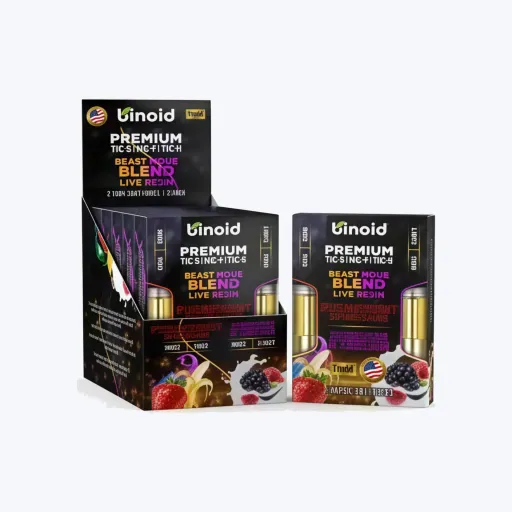
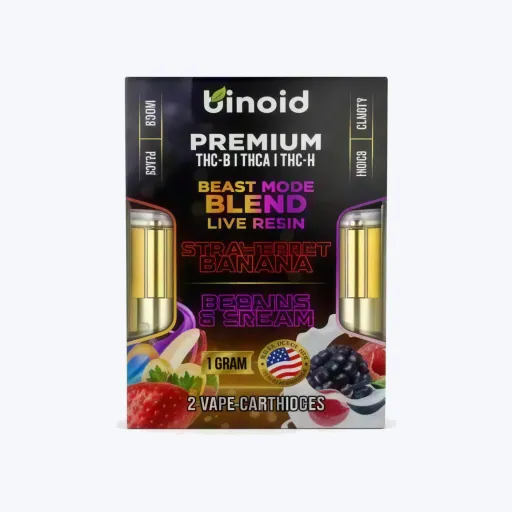
Packaging. Choose the format first: printed box, tube, blister or pouch. Then the requirements: child-resistant closure or not, insert or leaflet, language versions, barcode type and who supplies the numbers, and whether the outer carton is printed. Packaging often runs longer than the device, so it belongs in the brief on day one. See packaging for the formats available.
Documentation. List what you need to arrive with the goods, not after them. CE, RoHS, REACH and EU Battery Regulation documentation is available on request, so ask for it in the brief and it is produced alongside the run. Say which marks have to be printed on the device or the box, including the crossed-out wheelie bin, and whether registration numbers are printed or applied later. The party placing the product on the market holds those registrations, and that party is you. Compliance sets out which obligation sits where.
Quantities and delivery. Give the total, the split by colour or variant, and the delivery point. Low minimums start from around 500 units, so a first run can be small, but a run split across four colours is four setups rather than one. Say whether you want the full quantity at once or a first tranche released and the rest held.
Sample sign-off. Put in writing what you are approving and what you are not. A digital proof approves artwork and position. A physical sample approves colour, finish and assembly. Sign off both before production and keep the approved sample, because it is the only object anyone can compare the delivered goods against later. Note which parts of the sample are representative and which are not, since a hand-finished sample can differ from tooled output in ways nobody intended.
Where briefs usually go wrong
Three failures account for most of them. Colour described instead of referenced, which produces a run nobody wants to accept and nobody can prove is wrong. Artwork supplied as a raster file for a laser process, which forces a redraw and puts a stranger's interpretation on your logo. And packaging specified after the device, so the boxes land weeks after the hardware and the launch date moves anyway.
A fourth failure is quieter: no named decision maker. If three people at your end can send changes, the factory builds the last version it received. Name one person who signs off and route everything through them.
What the brief does to your lead time
Branded production takes about 15 days after sign-off. The brief is not inside those six weeks, and neither is the proof and sample loop that follows it. A complete brief keeps that loop to one round. An incomplete brief adds a round for every missing line, and every round means a physical sample travelling in both directions. Plan backwards from the shelf date and treat the brief as the first task rather than the last. The lead times guide breaks the stages down.
What you own once the run ships
Your artwork and your brand stay yours. The base device design and any existing tooling stay with the manufacturer unless you have paid for a dedicated tool, which is a different arrangement with a different cost and a much higher minimum. If you are not sure which of the two you are buying, the OEM, ODM and white-label guide sets out the difference, and OEM and white-label covers the process end to end.
FAQ
What artwork format should I send for a white-label vape run?
Vector, with fonts converted to outlines: AI, EPS, PDF or SVG. Include the artboard dimensions and the measured position of the mark on the device. Raster files can work for full-wrap print at high resolution but not for laser etch.
Can I change the artwork after I approve a sample?
Before production starts, yes, but it restarts the proof and sample loop and moves the delivery date. After production starts, no. Approve the digital proof for position and the physical sample for colour and finish, then keep the sample.
Do I need to brief packaging separately from the device?
Brief it at the same time. Printed packaging often has a longer lead time than the hardware, so specifying it later is the most common reason a branded run sits finished in a warehouse waiting for boxes.
Trade guidance for B2B buyers, not legal advice. We sell empty hardware only; you are responsible for the fill and for finished-product compliance in your market.
Source the hardware behind this guide
Browse the range in the shop, full specs, trade pricing after a free account, and CE and compliance docs on request.