HardwareFor this job
By the Empty Vapes trade desk. Published 2026-08-20, last updated 2026-08-20. How we write these.
Two legitimate routes to the same hardware. The right one depends on your volume, your cash position and how much import work you want to own. Here is what each route actually costs you.
Almost all vape hardware is manufactured in China. If you want to import vape hardware from China you can buy from the factory and handle the import yourself, or buy from a supplier that has already imported it into the EU. The factory quote is lower in the first case. Whether the landed cost is lower depends on volume, and whether the total cost is lower depends on what your own time and cash are worth.
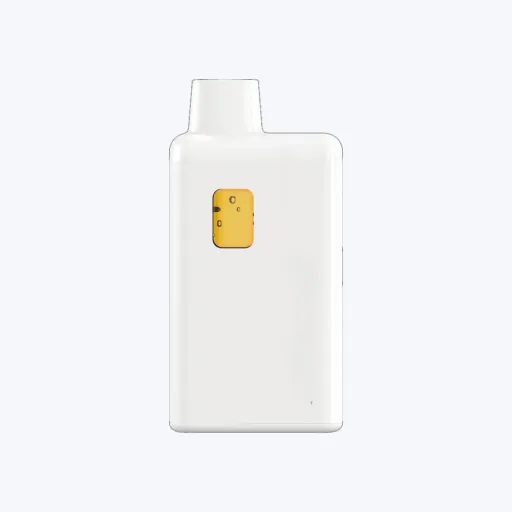
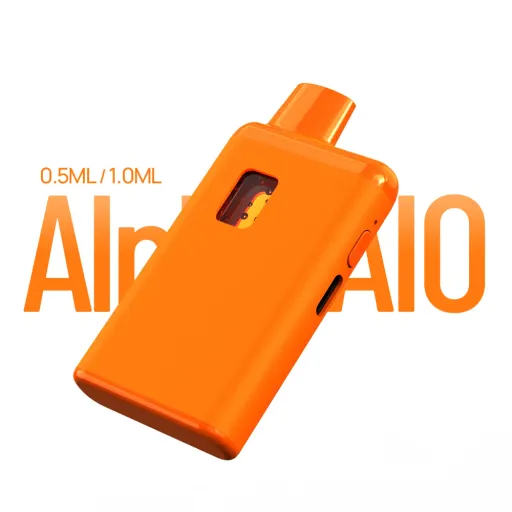
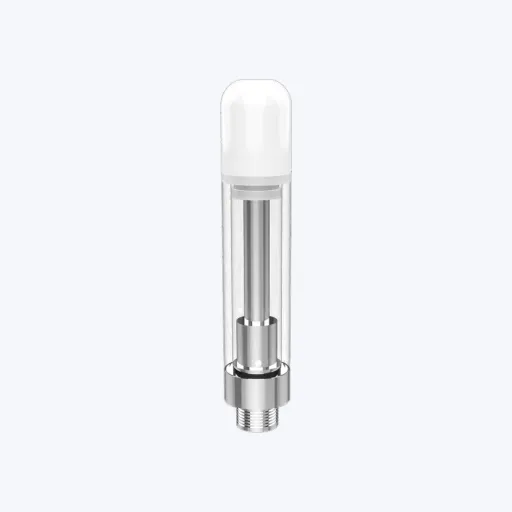
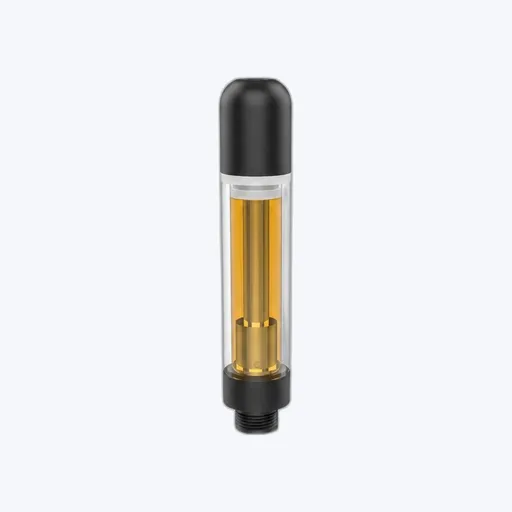
The comparison below assumes the same hardware in both cases, whether that is 510 cartridges, empty disposables or batteries.
| Direct from the factory | Through an EU supplier | |
|---|---|---|
| Unit price | Lower at the factory gate | Higher, with import work included |
| Minimum order | Set by the factory, often a full production run | Lower. From around 500 units, no container minimum |
| Freight | You book it, and lithium cells are dangerous goods | Already landed or arranged for you |
| Customs clearance | Your EORI, your commodity code, your declaration | Done before the goods reach you |
| Import VAT and duty | Paid at import, recovered or deferred later | Handled on an EU invoice |
| Cash tied up | Deposit to delivery, often several months | Order to delivery, on trade terms |
| Documentation | You request and chase it | CE, RoHS, REACH and battery docs on request |
| If a batch is wrong | Dispute across jurisdictions, goods already paid for | One EU counterparty under EU contract law |
| Restocking | Full lead time again from zero | Faster when the item is in EU stock |
| Suits | High, stable volume with import capability in-house | Launches, tests, mixed ranges, low volume |
It is, and this is worth saying plainly rather than burying. Buy direct when three things are true at once.
If all three hold, an intermediary is a cost you do not need. Say so to any supplier who tells you otherwise.
The other side is equally specific. It earns its margin when your order is smaller than a production run, when you are launching and do not yet know which variant sells, when you need four categories from three different manufacturers on one invoice, or when a delay of six to ten weeks on a restock would cost you a listing. Low minimums from around 500 units and no container requirement exist to make a test order possible. Made-to-order runs take around six weeks, and items held in EU stock ship faster than that.
Three things trip up first-time importers, and none of them are about price.
Classification. Every item needs a commodity code, and the code sets the duty rate. Batteries, empty cartridges and complete devices do not necessarily share one. Get the codes confirmed by a customs broker against the actual goods before you ship, not after, because a reclassification at the border holds the whole consignment.
Import VAT. Import VAT is payable when the goods enter free circulation. A VAT-registered business normally recovers it or accounts for it under whichever scheme its member state operates, so it is a cashflow cost rather than a permanent one. Ask your accountant which scheme applies where you import, because the answer changes how much cash you need on the day of clearance.
Lithium cells are dangerous goods. Batteries and battery-containing devices ship under UN3480 and UN3481 with declarations, packaging and labelling requirements, and air freight carries restrictions that sea freight does not. This is a question for your freight forwarder before you agree an Incoterm, not after. Note which Incoterm the factory quoted: EXW, FOB and DDP put very different amounts of work and liability on you.
Direct import concentrates risk on one relationship you cannot easily enforce. Payment is usually a deposit against a proforma invoice, sometimes to a company you have met only by video call. If the goods arrive wrong, the goods are already paid for and the seller is outside your legal system. Reduce this with staged payments, a pre-shipment inspection by a third party, and a small first order before a large one.
Documentation is the second gap. CE, RoHS, REACH and EU Battery Regulation documentation exists for most hardware, but a factory does not always volunteer it and a test report for a similar model is not a report for yours. Ask for documentation that names the exact model and check the dates. Whichever route you use, the business first placing the product on the EU market holds the WEEE and battery registrations and the GPSR responsible-person role. That is you, and importing yourself does not move it. See compliance for what sits where.
The number that decides this is landed cost per sellable unit. Take the factory price, add freight, dangerous-goods handling, insurance, clearance and broker fees, duty, inland transport, storage, and the units you scrap or write off. Divide by the units you can actually sell. Then add the cost of the cash sitting still between deposit and first sale. Compare that against the EU quote. Sometimes direct wins by a wide margin. Sometimes, at 500 or 2,000 units, it does not win at all. Run it before you decide, and see the MOQ guide for what sets the minimum on each side.
Trade guidance for B2B buyers, not legal advice. We sell empty hardware only; you are responsible for the fill and for finished-product compliance in your market.
Browse the range in the shop, full specs, trade pricing after a free account, and CE and compliance docs on request.
Browse the catalogueGive us the hardware, the quantity and the market. We reply with a price, a specification and a lead time. A request for a quote is not an order.
Empty hardware only. No cannabinoids and no e-liquid. We sell to companies only.