HardwareFor this job
By the Empty Vapes trade desk. Published 2026-08-21, last updated 2026-08-21. How we write these.
A tooling decision is a capital decision dressed up as a product decision. The arithmetic that settles it is short, and most brands never write it down before committing.
A mould is a hardened steel block machined so that molten plastic or metal takes the shape of your part. It is cut once, and corrections are made by removing steel, so a feature can be made larger but not smaller without welding and recutting.
What you buy is a shape nobody else has. A custom tool does not make a device work better, shorten a lead time or lower your compliance burden.
Against that, know what is available without cutting steel. Colour, finish, printing, laser marking and packaging are surface changes to an existing body. Some functional parameters are set outside the mould too: CCELL publishes intake hole diameter as an option matched to the customer's oil rather than a fixed body feature, and Nextvapor lists mould development separately from its surface and packaging customisation. If your change lives on the surface or in a settable parameter, you do not have a tooling question.
| Stock as-is | Modified stock body | Custom tool | |
|---|---|---|---|
| What changes | Nothing. An existing device, generically packed | Colour, finish, print, laser mark, packaging, settable parameters | The shape of the part itself |
| Up-front cash | None beyond the goods | Setup charges per finish and per artwork | Tooling and sampling, paid before any saleable unit exists |
| Effect on unit price | Highest per unit at low volume | Small change either way, driven by the finish chosen | Can fall at volume, but only if the design is cheaper to make |
| Lead time | Fastest when held in EU stock | Around six weeks made to order after artwork sign-off | Longer again, plus tool cutting and first-article approval |
| Minimum order | From around 500 units, no container minimum | Higher, and usually applied per variant | Highest, because the tool has to be spread across the run |
| If the design changes | Reorder something else | Artwork is scrap, hardware is still generic | The tool has no second use |
| Differentiation gained | None. A competitor can buy the same device | Visual only. The silhouette is shared | Structural. The form is yours |
| Ownership question | Does not arise | Artwork files, easily transferred | Must be agreed in writing before cutting |
The middle column is where most brands should start and the one most often skipped. A distinct colour, a considered finish and good packaging produce a recognisable product with no capital at risk. The OEM, ODM and white-label guide sets out which arrangement puts you in each column.
Write the decision down with your own quoted numbers. The letters below are placeholders. Empty Vapes does not publish tooling prices and none of these represent our figures, so substitute values from a written quote against your own 3D file.
The saving per unit is Ps minus Pc. The breakeven volume is T divided by that saving. If the breakeven volume is comfortably below N, the tool pays for itself out of unit cost. If it is above N, it does not, and the tool is being justified by something other than cost.
Three corrections make that honest. If Pc is equal to or higher than Ps the arithmetic has no solution, and that is common: a custom part at low volume is often dearer per unit than a mass-produced stock part. Price the tool as a marketing investment instead. N is what you sell before the design changes, not before the brand ends. And add the carrying cost of paying T months before the first sale.
We give no figures because a tooling quote is specific to a geometry. What we can give is the variables that move it, so you negotiate on the right things.
Where a cost matters, get it quoted. A quote against a 3D model and a stated tolerance is a real number. A quote against a sketch will be revised.
Paying a tooling charge and owning a tool are separate things, and the gap is where brands lose money. Settle four points in writing before cutting: who holds title, where the tool sits, on what conditions it can be released, and who pays for maintenance and replacement. A tool you own on paper but cannot remove from a factory is a bargaining position for the other party, not an asset for you.
Ask also what happens if you stop ordering. Many agreements let a supplier scrap tooling after a period of inactivity, and for a seasonal product that clause matters more than the price you argued over.
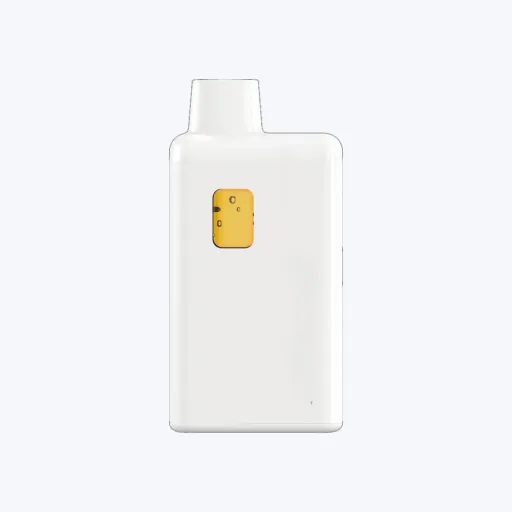
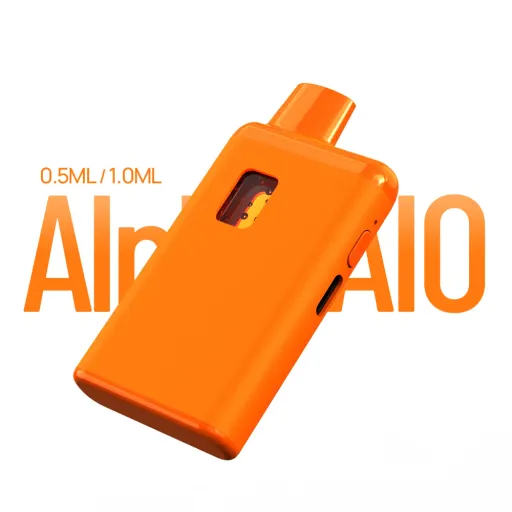
The compliance position is the same on every route. A custom body is a new product placed on the market by you, with the same CE, RoHS, REACH, EU Battery Regulation and WEEE obligations as a stock one. Documentation is on request and WEEE support is available, but registration sits with you. See compliance, and browse empty disposables and pod systems for what is already tooled.
Trade guidance for B2B buyers, not legal advice. Empty Vapes supplies empty hardware only, with no cannabinoids and no e-liquid, B2B trade only, 18+ or 21+ according to your market. The buyer is responsible for product registration in the market it sells into.
Browse the range in the shop, full specs, trade pricing after a free account, and CE and compliance docs on request.
Browse the catalogueGive us the hardware, the quantity and the market. We reply with a price, a specification and a lead time. A request for a quote is not an order.
Empty hardware only. No cannabinoids and no e-liquid. We sell to companies only.